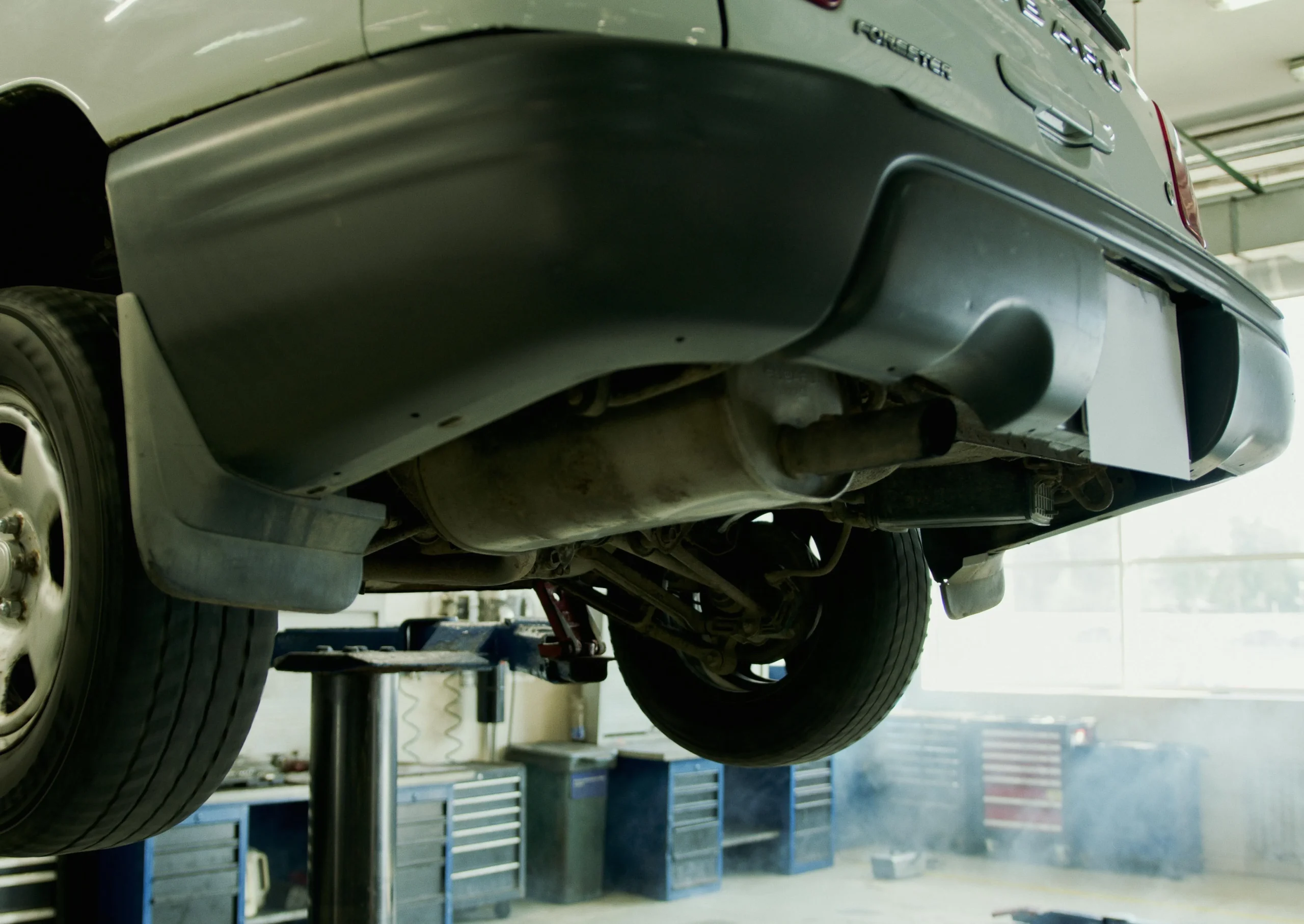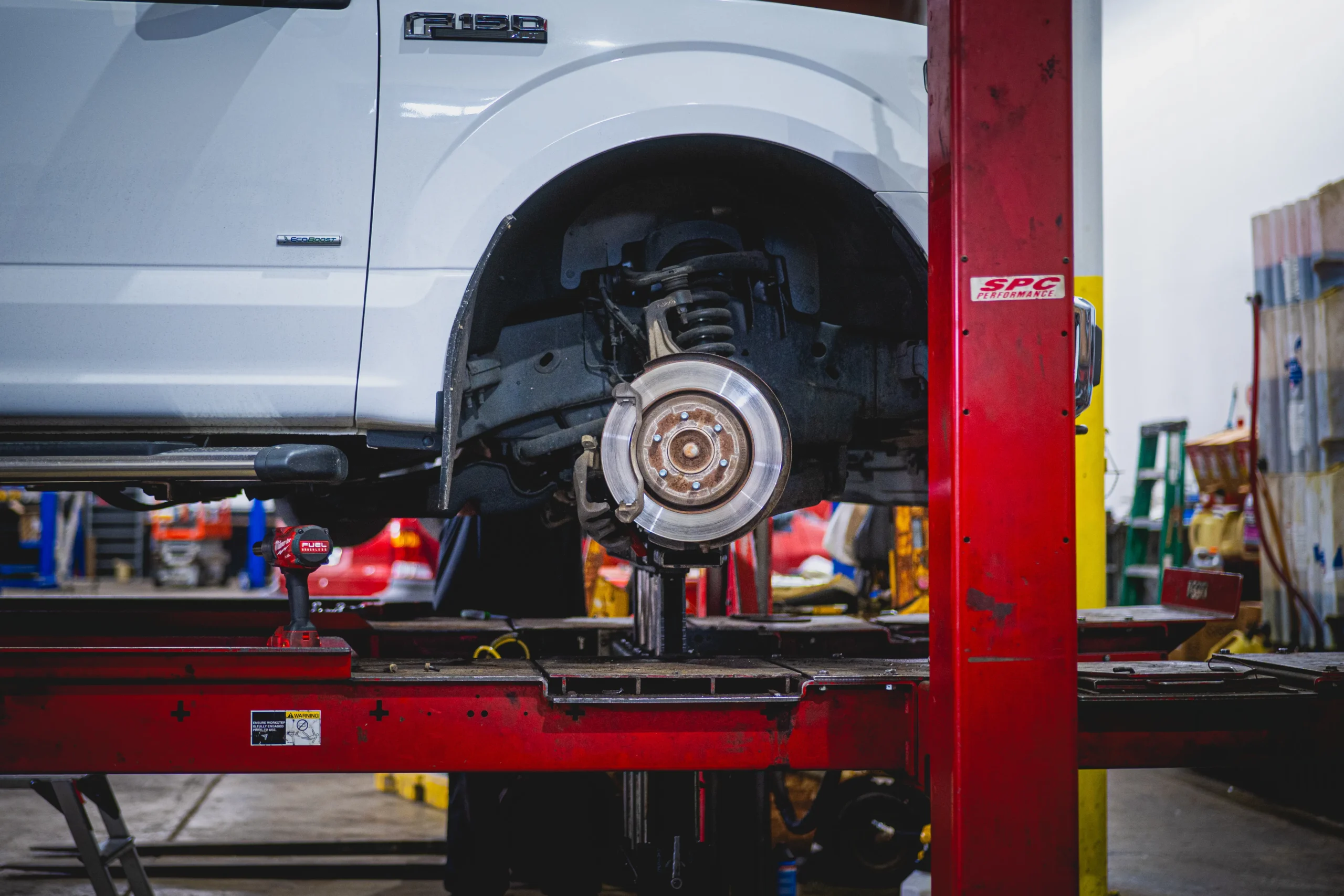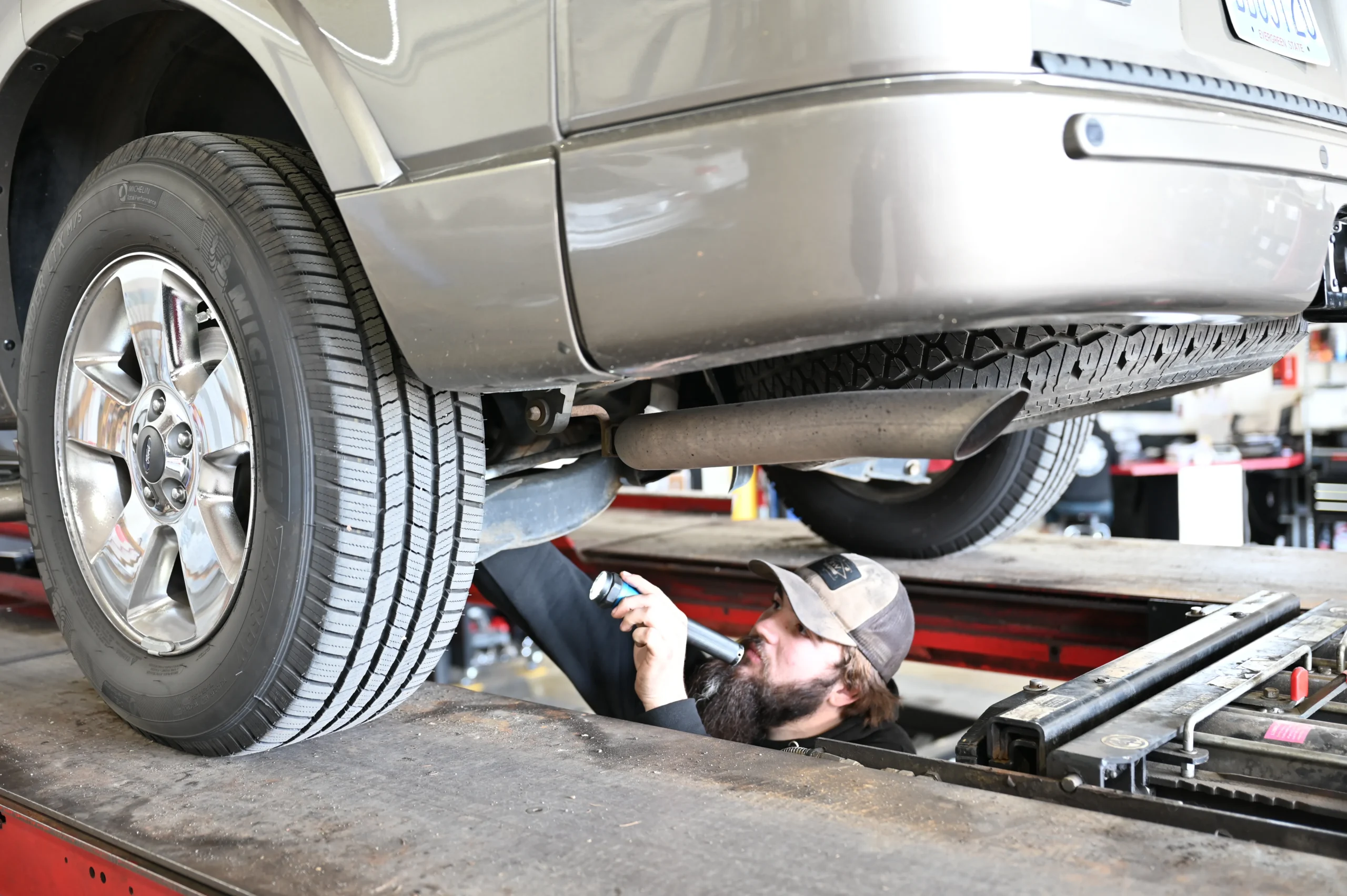
After a harsh Washington winter, the most critical fluid services you should get include a coolant strength test, a brake fluid moisture check, and an engine oil inspection or change. Cold temperatures thicken fluids and promote moisture buildup in systems like brakes and coolant, stressing components over time. A professional inspection from a mechanic in Graham ensures your vehicle is ready for the spring rainy season.
Why Are Fluid Services Important After Winter?
Vehicle fluids support engine performance, braking power, steering control, and transmission function. During freezing conditions, fluids may thicken, collect moisture, or break down faster.
When fluids lose effectiveness, parts experience more friction and heat. This leads to wear and reduced performance.
A professional inspection from a mechanic in Graham ensures fluids are clean, properly filled, and ready for warmer temperatures.
Which Engine Oil Service Should You Schedule After Winter?
Why Engine Oil Matters
Engine oil keeps moving components lubricated and minimizes friction. In freezing weather, oil thickens, which makes it harder to circulate at startup. Over time, this stress can affect the oil condition.
When to Replace Engine Oil
If your oil change was delayed during winter, spring is the right time to schedule service. Dirty or worn oil can no longer protect engine components effectively. Fresh oil improves performance and may help maintain fuel efficiency.
A mechanic in Graham will check the oil level, color, and overall condition before recommending replacement.
Should You Service Your Coolant System in Spring?
How Coolant Works
Coolant regulates engine temperature in both cold and warm weather. It prevents freezing in winter and overheating in summer.
Why Spring Inspection Is Important
Freezing temperatures test coolant strength. If coolant levels had dropped or the mixture weakened, the system might not perform correctly as temperatures rise. Hoses and connections may also develop small leaks after repeated freezing and thawing.
A cooling system inspection ensures proper fluid level and mixture, reducing the risk of overheating during warmer months.
Does Transmission Fluid Need Attention After Freezing Temps?
What Transmission Fluid Does
Transmission fluid lubricates gears and helps control hydraulic pressure for smooth shifting. Cold weather causes the fluid to thicken, which may lead to delayed or rough gear changes during winter.
When to Schedule Service
If you noticed hesitation, slipping, or rough shifting during cold starts, spring is a smart time for inspection. A mechanic in Graham can evaluate the fluid condition and determine if a change is needed to restore smooth operation.
Clean transmission fluid helps protect internal components and extend transmission life.
Why Brake Fluid Should Be Checked After Winter
How Moisture Affects Brake Fluid
Brake fluid absorbs moisture over time through seals and the reservoir. Winter’s humidity and temperature cycles accelerate this process.
Excess moisture can lower braking performance and cause corrosion inside brake components.
When to Replace Brake Fluid
If braking feels soft or inconsistent, a professional evaluation is important. Brake fluid testing helps determine if replacement is needed. Reliable stopping power depends on clean, moisture-free fluid.
Is Power Steering Fluid Affected by Cold Weather?
Power Steering System Function
Power steering fluid helps the steering system operate smoothly. In cold weather, thickened fluid may cause stiffness or noise when steering.
Spring Inspection Recommendations
If steering felt heavy during winter mornings, the fluid may need attention. A mechanic in Graham can check for leaks, low fluid levels, or contamination. Servicing the system improves steering response and protects the pump.
Should You Check Differential and Transfer Case Fluids?
For vehicles equipped with all-wheel drive or four-wheel drive, differential and transfer case fluids are also important. These fluids lubricate gears that transfer power to the wheels.
Cold temperatures and wet road conditions can increase stress on these systems. Spring inspection ensures proper lubrication and helps prevent gear wear.
What About Windshield Washer Fluid?
Winter washer fluid often contains antifreeze additives. As temperatures rise, it may be time to refill or switch formulas to improve cleaning performance.
Clear visibility remains important during spring rain. While this fluid is simple, it still plays a role in safe driving.
How Does a Mechanic Inspect Vehicle Fluids?
Professional fluid inspections include:
- Checking fluid levels
- Inspecting color and clarity
- Testing for contamination
- Identifying leaks
- Confirming manufacturer specifications
A trained mechanic in Graham uses proper tools to ensure each system is evaluated accurately. This approach protects your vehicle and supports long-term reliability.
Related Articles:
- How Seasonal Changes Affect Your Oil, Fluids, and Filters
- Auto Maintenance: The Best Time to Schedule Fluid Checks
Protect Your Vehicle This Spring
Fluid services are one of the most important steps after winter. Clean oil, properly balanced coolant, fresh transmission fluid, and moisture-free brake fluid all support performance and safety.
Goods Automotive provides comprehensive inspections and fluid services performed by an experienced mechanic. Services include oil changes, coolant system checks, transmission fluid inspections, brake fluid testing, and power steering fluid evaluation.
If your vehicle has worked hard through freezing temperatures, now is the time to act. Contact Goods Automotive today to schedule service with a trusted mechanic in Graham!