
Your car’s owner manual has a maintenance schedule for a reason. It’s a plan built by the people who designed your engine, transmission, and every part in between. If you’ve been wondering what a scheduled maintenance service actually includes and why it matters for Puyallup drivers specifically, this is the guide you need. Sticking to a plan is almost always cheaper than fixing something that broke because you skipped one.
Why Every Car Needs a Scheduled Maintenance Service
Every vehicle leaves the factory with a recommended service timeline. This plan tells you when to change your oil and filters, rotate your tires, and check safety parts. These checkups happen at regular mileage or time intervals and help catch small issues before they become serious.
Skipping a service can cause a chain reaction. Old oil can damage your engine, or a worn brake pad can ruin other parts, turning a cheap fix into a costly one. Prevention is always more affordable than a major repair.
Regular service also keeps you safe. It ensures your brakes, steering, and tires work correctly, which is vital for driving on wet or icy local roads. Following your maintenance plan keeps your car safe, protects its value, and saves you money in the long run.
The Puyallup Local Driving Condition Index
How you drive and where you go affect how quickly your car wears out. A car driven daily on River Road faces more stress than one that stays in a garage. Because of Puyallup’s rain, hills, and heavy traffic, many drivers actually fall into the ‘severe service’ category in the owner’s manual, which calls for shorter service intervals. Here are three local driving styles and how they affect your maintenance needs.
The Rainy Commuter
If you drive the Meridian corridor or take SR-167 into Tacoma every day, you know the drill: brake lights for miles, windshield wipers on full speed, and puddles hiding potholes. Stop-and-go traffic in the rain puts extra strain on your brake pads and rotors because you’re pressing the pedal constantly. Wipers wear out faster too, and poor visibility with streaky blades is a real safety issue. Plan on checking brakes and wipers more often than the manual suggests if this is your daily routine.
The Short-Trip Driver
Running kids to school, grabbing groceries, and heading home might seem easy on a car. It’s actually harder than a long highway cruise. Short trips of five miles or less don’t give the engine enough time to reach full operating temperature. When the engine stays cool, moisture builds up in the oil and doesn’t burn off. That moisture breaks down the oil faster, so short-trip drivers often benefit from oil changes every 3,000-5,000 miles instead of stretching to longer intervals.
The Weekend Adventurer
Towing a boat to American Lake or driving up to Crystal Mountain on weekends puts serious stress on your transmission and suspension. Steep grades force the transmission to work harder and run hotter, while rough roads wear out shocks and struts. If you tow or drive mountain passes regularly, ask your technician about the “severe duty” schedule in your owner’s manual. It usually calls for service at shorter intervals.
What Happens During a Scheduled Maintenance Service?
A typical scheduled maintenance visit covers a checklist of items that match your car’s mileage. The exact list varies by make and model, but most services include a common set of inspections and replacements.
-
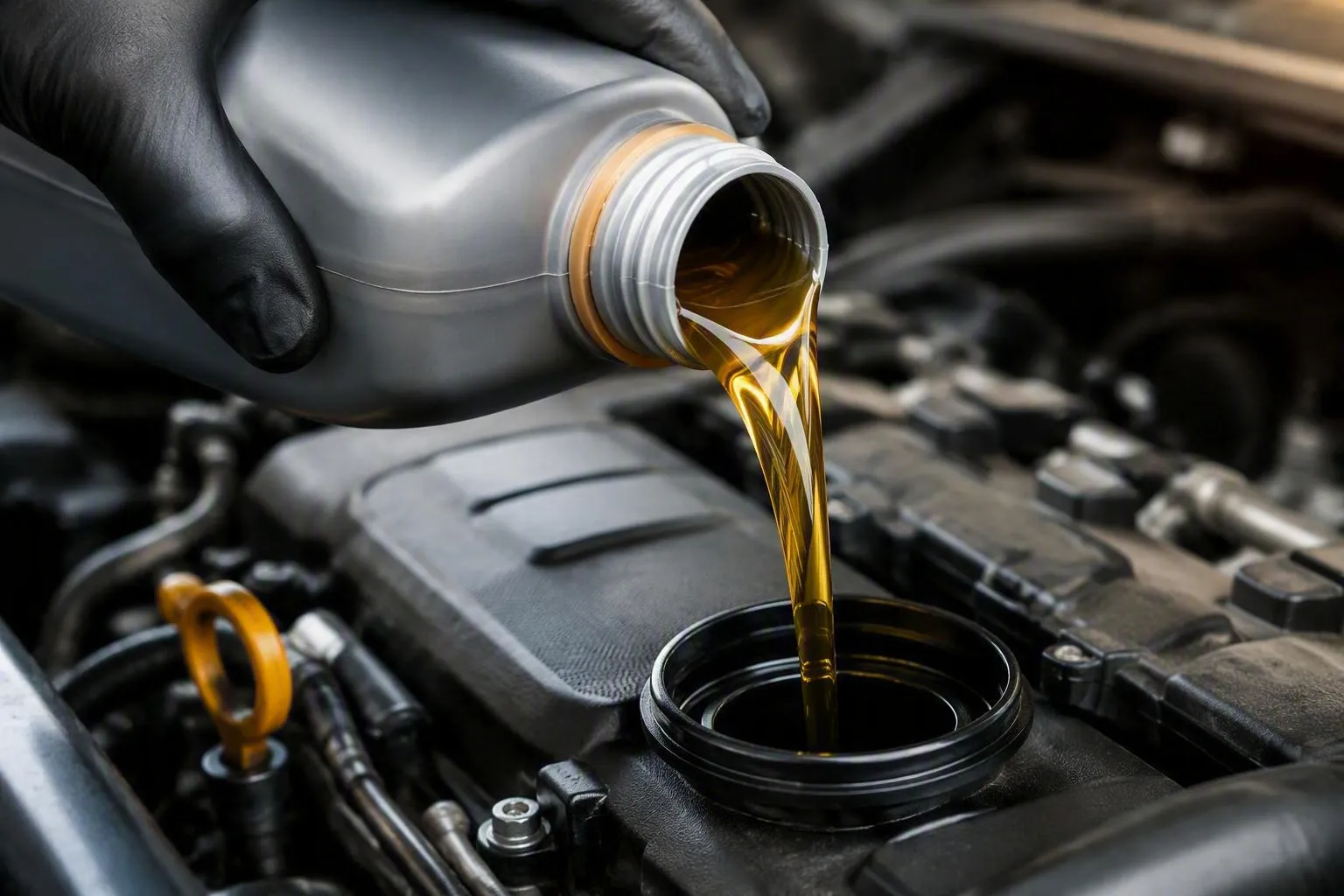
Oil and filter change: Fresh oil protects engine internals from friction and heat.
-
Fluid checks: Coolant, brake fluid, transmission fluid, and power steering fluid are all inspected and topped off or flushed.
-
Air and cabin filters: Clogged filters reduce engine performance and air quality inside the car.
-
Belt and hose inspection: Rubber parts crack over time, and a failed belt can disable your engine.
-
Tire rotation and pressure check: Even wear extends tire life and keeps handling predictable.
-
Brake inspection: Pads, rotors, and brake lines are checked for wear and leaks.
-
Battery test: Especially important heading into Pacific Northwest winters when cold mornings drain weak batteries.
A professional shop uses diagnostic tools to read your car’s computer for stored error codes, which can reveal problems you can’t see or hear yet. This kind of thorough inspection is what separates a real maintenance service from a quick oil change.
Related Articles:
Stay Ahead of Costly Repairs
Following your factory maintenance schedule is the smartest way to protect your engine, your safety, and your budget.
The technicians at Goods Automotive provide thorough, mileage-specific inspections tailored to your unique driving habits. We give you clear, honest advice on what needs attention right now and what can safely wait, so you only pay for the services your vehicle truly needs.
Book your scheduled maintenance service today and keep your car running safely and smoothly all year long.