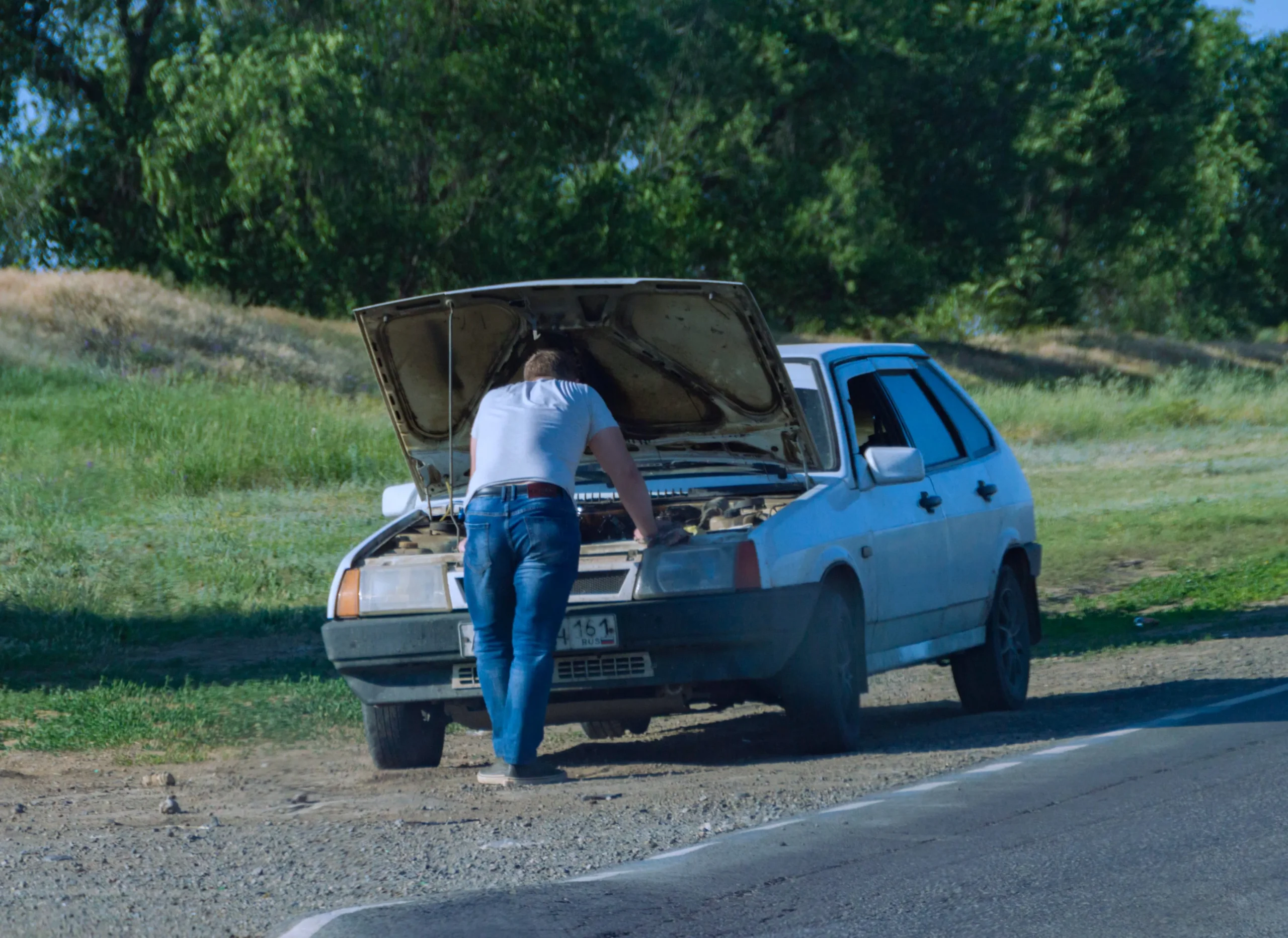

Turning on the heater should never dim your lights or make the engine stumble. If running the blower motor causes lights to dim or the engine to run rough, the charging system may be struggling to handle the added electrical load. This response points to the battery, alternator, wiring, or belt system rather than a fuel or ignition issue alone.
A quick charging-system test with a Puyallup mechanic can catch a voltage problem before a weak battery leaves your car unable to restart.
Why Does My Car Stall Out When I Turn My Heater On?
A vehicle can stall when you turn on the heater because high-draw winter accessories increase electrical demand. If the alternator, battery, connections, or drive belt cannot support that load, system voltage can fall enough to disrupt engine-module communication, idle control, and ignition performance.
The Winter Electrical Overload Matrix
Modern vehicles demand substantial electrical power during cold weather. The alternator recharges the battery and supplies much of the vehicle’s electrical demand once the engine is running. As alternators, batteries, cables, and voltage regulators age, the system may handle ordinary driving but struggle when several high-draw accessories operate together.
| Operating Winter Accessory | Typical Electrical Load | Impact on a Marginal Charging System | Possible Driving Effect |
| Cabin heater and blower motor | High, often about 15–25A on high | Can expose a weak alternator, battery, connection, or voltage regulator | Dim lights, unstable idle, or stalling |
| Front and rear defrosters | High, often about 10–30A depending on design | Adds a major continuous load during cold mornings | Faster battery depletion and voltage sag |
| Headlights and fog lights | Moderate to high | Increases demand during dark winter commutes | Dimming lights or charging-system strain |
| Windshield wiper motor | Variable | Adds load during heavy Pacific Northwest rain | Further reduces available charging capacity |
These loads do not automatically cause a failure, but they can reveal a charging system that is already weak.
How an Auto Mechanic in Puyallup Diagnoses Electrical Drains
Drivers often guess at the cause of a winter stall. Replacing only the battery without testing the charging system can leave the underlying cause unresolved. A proper electrical test separates a weak battery from a failing alternator, voltage regulator, drive belt, or wiring connection.
A trained auto mechanic in Puyallup can check the charging voltage at the battery terminals with the engine running, then test it again with the heater blower, defroster, and headlights operating. Many healthy charging systems produce roughly 13.5 to 14.8 volts, though the exact specification varies by vehicle. A large voltage drop under load, low charging output, excessive ripple, or an undercharged battery points to the part of the charging circuit that needs repair. If voltage falls far enough, the engine computer, fuel system, and ignition system may stop working correctly and cause a stall.
The Hidden Stress of Pacific Northwest Winters
Freezing temperatures slow the chemical reactions inside a lead-acid battery and reduce its cranking power. Starting a cold engine uses a large amount of battery energy, and the alternator must then replenish that charge. Dark, rainy commutes add continuous demand from headlights, defrosters, wipers, and the heater blower.
Stop-and-go traffic can worsen the situation. Alternator output generally rises with engine speed, while extended idling provides less charging capacity. Short winter trips may not give the charging system enough time to replace the energy used during starting and accessory operation.
Preventative Solutions From a Puyallup Auto Mechanic
Catching electrical weaknesses before freezing temperatures arrive helps prevent a no-start or stall in traffic. A technician should focus on three practical checks:
- Charging System and Battery Testing: Load-testing the battery and alternator, checking charging voltage and ripple, and inspecting cables and grounds can reveal a weak component before the battery light comes on.
- Serpentine Belt Inspection: A glazed, cracked, loose, or slipping belt can prevent the alternator from being driven properly. Technicians check belt condition, tension, tensioner operation, and pulley alignment.
- Targeted Component Replacement: Replacing a confirmed weak alternator or battery restores charging capacity when the wiring, grounds, belt, and connections are sound.
A charging-system diagnosis turns a frustrating winter electrical symptom into a specific, repairable cause.
Further Reading:
- Puyallup Auto Repair Tips for Safer Winter Holiday Driving
- Common Winter Car Issues a Graham Mechanic Helps You Avoid
Stop Winter Electrical Stalls
Running your heater, defroster, and headlights in freezing traffic pushes weak electrical components past their limit. Whether the issue is a tired battery, a failing alternator, or a glazed drive belt, low system voltage can cause rough idling and stalls. Goods Automotive provides comprehensive battery and charging-system load testing to catch weak components before they leave you stranded.
Keep your electrical system strong all season. Schedule a charging system check with a skilled Puyallup mechanic today.