
Cold mornings in Tacoma often bring fogged windows, frosty windshields, and engines that feel sluggish at first start. It’s common to wonder whether you should let your car warm up before driving or head out right away. Knowing the right approach helps protect your engine, reduce wear, and keep you safe during winter travel.
With colder months on the way, this is a good time to look at how smart auto preventive maintenance supports your vehicle through freezing temperatures. Understanding how cold weather affects your engine also helps you make better choices each morning and keep your car running smoothly all season.
Why Cold Engines Need Extra Care
Cold temperatures thicken engine oil, making it move more slowly through the engine. When the oil is thick, it takes a little longer to reach the moving parts that need protection. This can lead to extra friction during the first few minutes of driving.
Moisture can also build up in the exhaust system overnight. Without proper warm-up, this moisture may not burn off, which can lead to corrosion over time. A little patience on cold days helps your vehicle avoid unnecessary wear and tear.
Should You Warm Up Your Car Before Driving?
Most modern vehicles do not need long warm-up times, but they still need a short period to allow the oil to circulate. Usually, 30 to 60 seconds is sufficient. This gives the cold engine time to stabilize and helps make driving smoother.
Letting the engine idle for too long wastes fuel and does not provide the same benefit as light driving. The engine warms up faster when the car is moving, not sitting still. The goal is to strike a balance that supports good auto preventive maintenance without wasting time or gas.
How Long Is Long Enough on Cold Tacoma Mornings?
In Tacoma, winter temperatures are usually cold but not extreme. Most drivers will only need a brief warm-up. After 30 to 60 seconds, light driving helps the engine reach its ideal temperature.
Avoid pressing hard on the gas during the first few minutes. Gentle acceleration protects your engine while it warms up. This simple habit plays an important role in smart auto preventive maintenance and helps your vehicle last longer.
How to Warm Up Your Engine the Right Way
Start With a Short Idle
Start your engine and let it run for about a minute. This allows oil to circulate through the system and reduces strain on internal components.
Drive Gently
After the brief idle, begin driving at an easy pace. Light driving warms the engine and transmission faster than idling. It also helps other systems, such as the power steering and brakes, reach normal operating temperatures.
Keep Engine Loads Low
Avoid sudden acceleration, high speeds, or towing right away. These activities place heavy demand on a cold engine and can cause extra wear or poor performance until everything is fully warmed.
Use the Right Oil
The proper oil viscosity makes a big difference during winter. Thinner oils flow faster in cold weather and offer better protection during start-up. This is why checking oil type is an essential part of auto preventive maintenance.
If you are unsure which oil your vehicle needs, a qualified technician can help you choose the best option for Tacoma’s winter temperatures.
Common Mistakes to Avoid When Warming Up Your Vehicle
Long Idling
Many people let their vehicle run for 10 or 15 minutes, thinking this is necessary. This is not needed for most vehicles and wastes fuel. It also increases carbon buildup in the engine.
Ignoring Strange Noises
If you hear rattling, knocking, or squealing during warm-up, this can be a sign of worn belts, low fluids, or other issues that need attention. Delaying a check can lead to bigger problems later.
Skipping Regular Maintenance
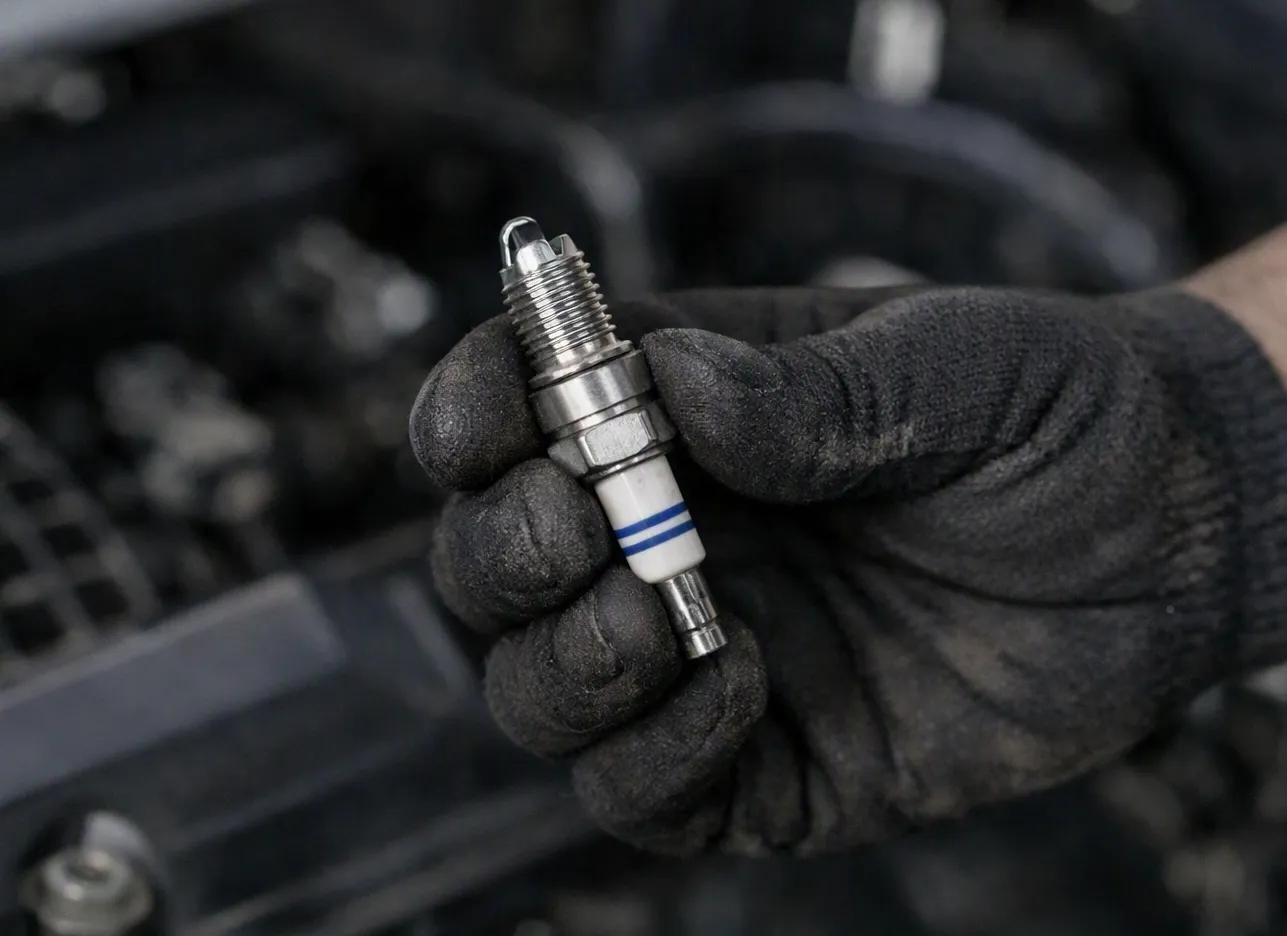
Even with proper warm-up habits, worn spark plugs, dirty filters, or old engine oil can make cold starts harder. Auto preventive maintenance keeps your engine ready for winter and reduces the risk of sudden problems.
How Winter Affects Other Systems
Cold weather affects more than just the engine. Transmission fluid thickens, tires lose pressure, and batteries work harder to deliver the power needed for start-up. Brake parts can also stiffen until the vehicle is fully warmed.
Checking these systems is another helpful step in auto preventive maintenance. Small adjustments now can prevent breakdowns during the colder months.
Related Articles:
- Tacoma Auto Tips: Winterizing Puyallup Engine & Power Steering
- How Auto Preventive Maintenance Extends Tacoma Engine Life
Professional Support for Safer Winter Driving
A trusted shop can help prepare your vehicle for the winter months with inspections, fluid checks, battery testing, and system diagnostics. Goods Automotive provides these services along with repairs for engines, transmissions, brakes, and heating systems. We understand how Tacoma’s winter weather affects critical components and can help keep your vehicle running smoothly all season.
Take the stress out of cold-weather driving by getting your vehicle winter-ready. Schedule your visit today for expert auto preventive maintenance and enjoy a smoother, safer start every time you hit the road.