Summer trips to Mount Rainier, Crystal Mountain, and the Cascades are classic Pacific Northwest getaways. However, mountain roads can stress a vehicle that is not ready for the steep climb.
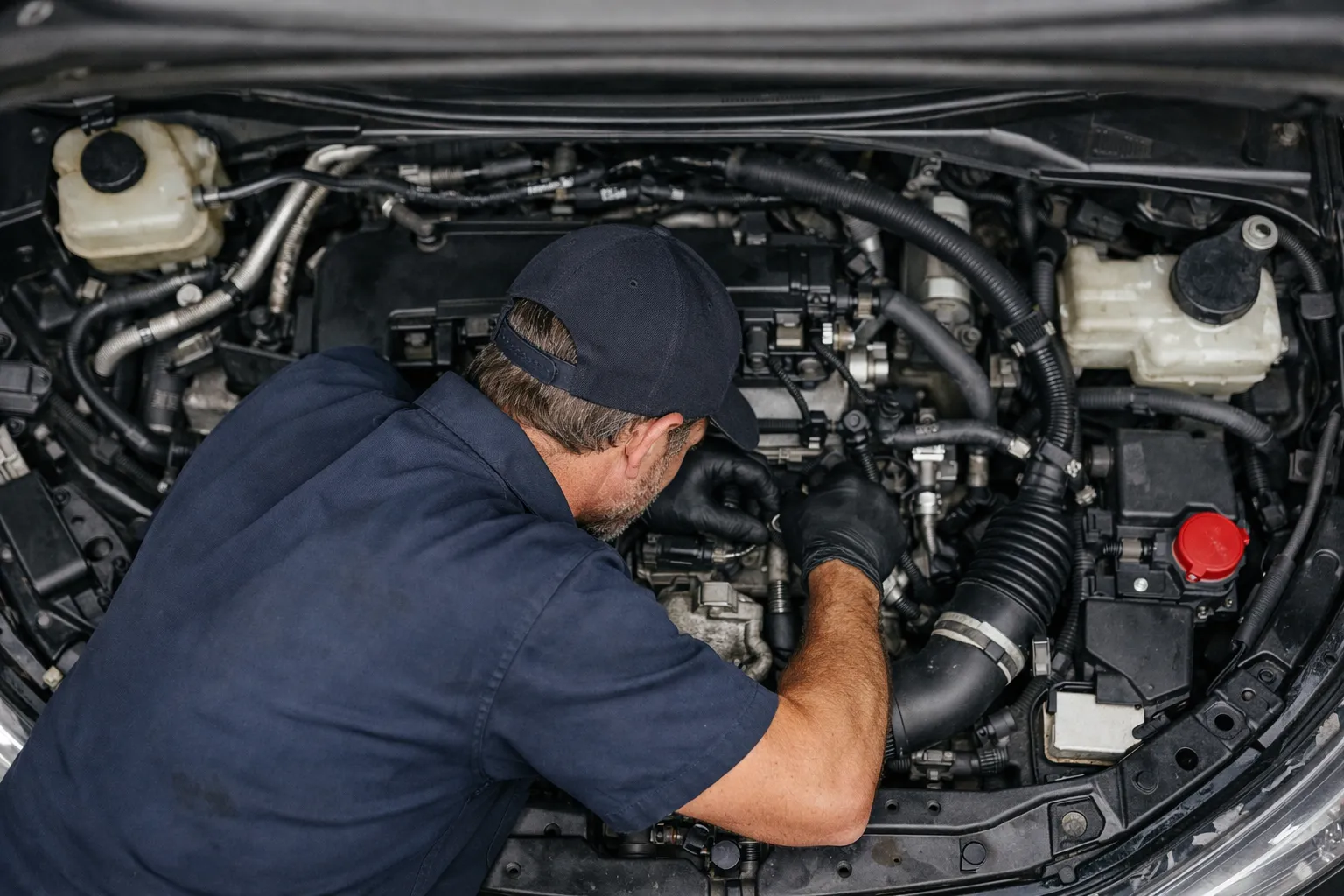
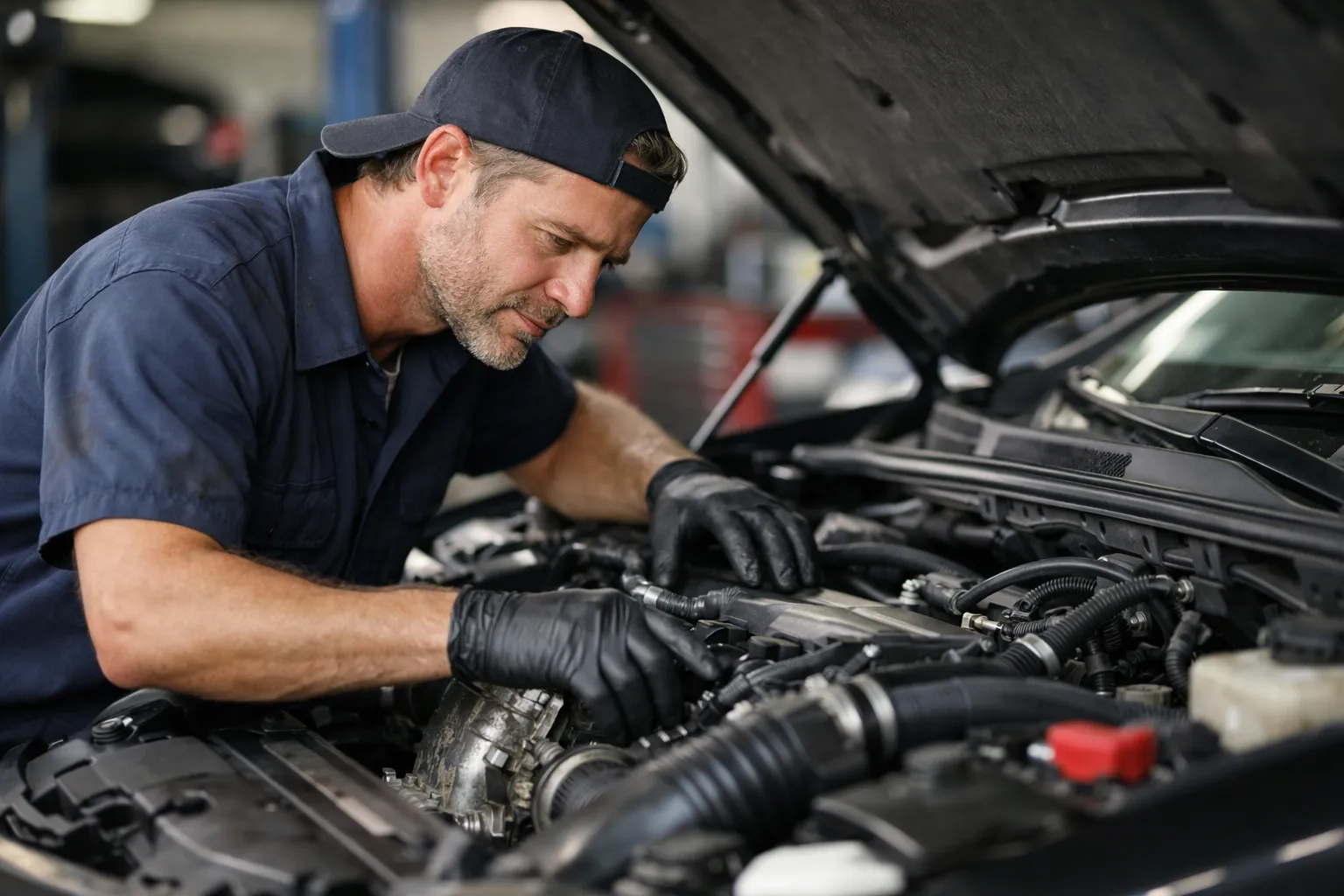
A quick pre-trip inspection at a Puyallup auto repair shop often prevents a breakdown on a narrow mountain shoulder. Review this basic safety checklist before loading up the car and heading to higher elevations.
Why Mountain Roads Are Hard on Your Car
Highway driving is relatively gentle on your vehicle, but mountain roads can be a different story. Climbing steep grades forces your engine to work harder, which generates extra heat and puts more load on your transmission. Coming back down is often just as demanding. Your brakes absorb a lot of energy as they fight gravity, and that constant heat buildup can warp rotors or damage thin brake pads.
Rough, unpaved forest service roads often add another layer of stress. Potholes and loose gravel wear on your suspension and steering components in ways city streets rarely do. A minor issue you might ignore around town, like a slight vibration or a soft brake pedal, can quickly become a serious problem on a mountain road with no cell service.
Catching these potential problems before you leave is a smart move. A pre-trip inspection at a trusted Puyallup auto repair shop costs significantly less than an emergency tow from a remote trailhead. Taking a little time for a checkup beforehand can easily save you from a stressful and expensive breakdown.
The 4-Point Mountain Safety Check
This checklist focuses on the four vital systems most vulnerable to steep climbs and winding mountain roads.
1. Brakes
Your brakes are essential for safety on mountain roads. Long downhill stretches require repeated braking, which can generate intense heat. If your brake pads are already worn thin, they may fade or struggle to stop the car during a sustained descent. Warped rotors can make the issue worse by reducing the braking contact area.
A pre-trip brake inspection helps confirm your pads, rotors, and fluid condition are road-ready. Checking the fluid is important because it absorbs moisture over time. If contaminated fluid boils during a long downhill descent, vapor can form in the lines and produce a soft, spongy pedal, making it much harder to stop.
2. Shocks
Worn shocks and struts can reduce your tires’ contact with the road, which often means less grip on loose gravel and uneven surfaces. If your vehicle bounces repeatedly after hitting a bump, the shocks may be past their useful life. An inspection is generally a good idea around the 50,000-mile mark.
On a winding mountain road, a weak suspension can cause extra body roll during turns, making the vehicle harder to control. A quick professional check helps catch worn bushings, leaking shock seals, and sagging springs before they turn into a safety concern.
3. Tires
Steep climbs and descents require good tread depth. Although Washington’s legal minimum tread depth is 2/32 of an inch, mountain driving often calls for at least 4/32 of an inch for better traction on gravel, wet roads, and loose terrain. Uneven wear patterns may also signal alignment or suspension issues that need attention before you head out.
Checking your tire pressure before you leave is a helpful step, keeping in mind that driving heats tires (raising pressure) and altitude changes slightly affect readings. Over-inflated tires create a smaller contact area with the road, which may reduce traction on challenging surfaces. You can find the correct cold pressure for your specific vehicle inside your owner’s manual.
4. Steering Fluid
Tight switchbacks and constant turning put extra load on your power steering system. Low or dirty fluid makes the pump work harder, which may lead to whining noises, stiff steering, or sudden pump failure during a sharp turn.
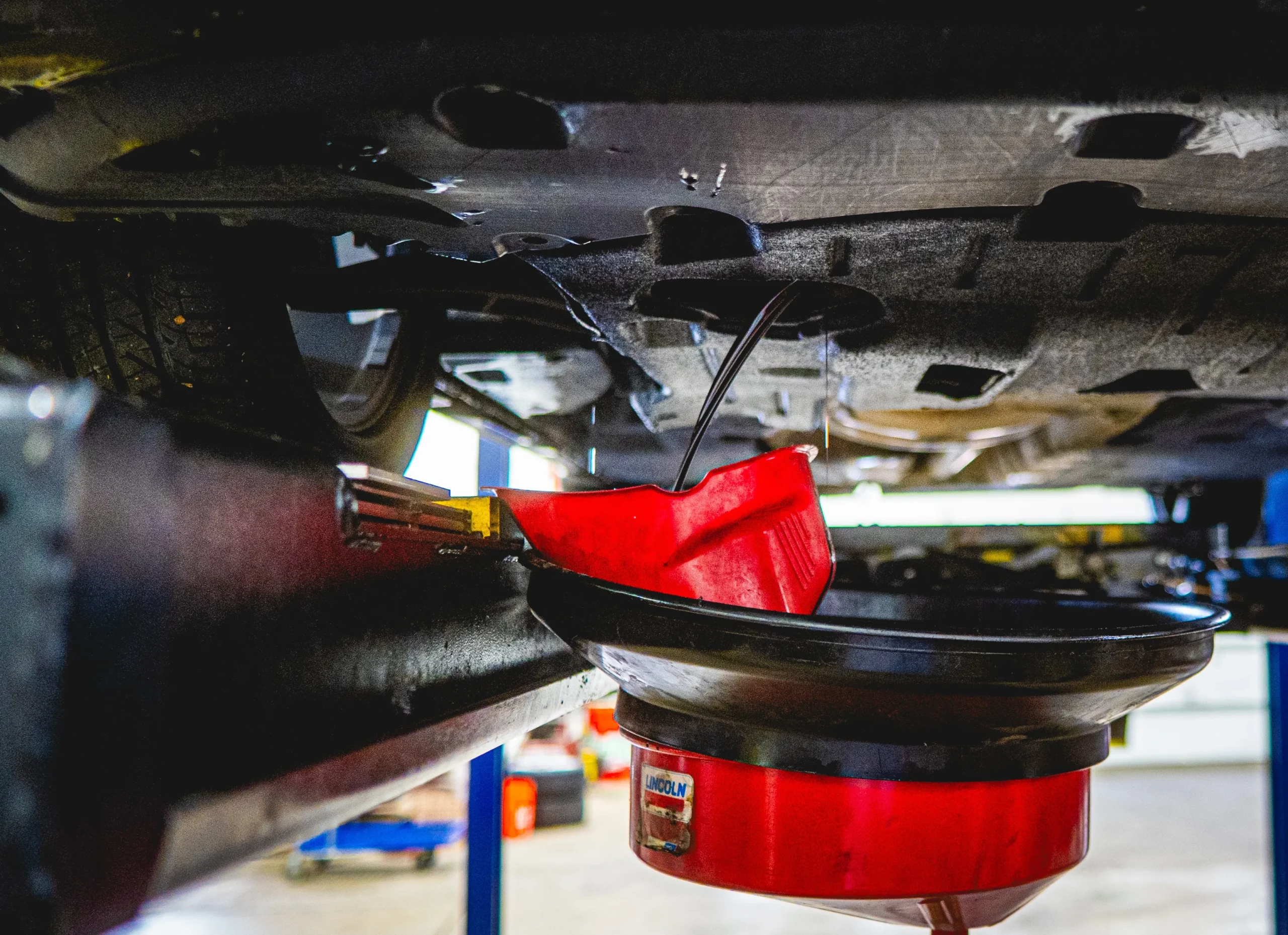
A quick inspection can verify the fluid level, check for leaks, and evaluate the condition of the fluid. Dark or gritty fluid often indicates a flush is due. Review your owner’s manual to find the recommended schedule for power steering service.
Related Articles:
Hit the Mountain Roads with Confidence
Goods Automotive has been a trusted choice for Puyallup auto repair for years. Our services keep your vehicle reliable under heavy stress. We provide complete brake service, fluid inspections, and cooling system checks to help keep your vehicle ready for the road. You receive clear, straightforward advice about your car’s maintenance needs before any work begins.
Make sure your car can handle the steep mountain grades ahead. Schedule your inspection with Goods Automotive, your trusted choice for quality Puyallup auto repair, and head out with total peace of mind.