Summer in the Pacific Northwest often means getting a boat out on the water. Before you hook up your trailer and head toward Lake Tapps or American Lake, your truck’s transmission may deserve some attention.
Towing a heavy load from Puyallup, especially along steep grades like Meridian or Highway 167, can push your vehicle’s gearbox to its limits. Visiting a transmission shop in Puyallup before towing season begins is a simple way to help prevent unexpected breakdowns and protect your weekend plans.
Why Towing is So Hard on Your Truck
Towing a heavy boat trailer might feel fine on flat roads, but hitting a steep hill changes the equation.
Hauling heavy weight uphill can cause your transmission to work much harder than it does during normal driving. Internal gears face heavy loads, and the torque converter can generate intense heat as it transfers power. This friction can build quickly, especially on the climbing grades leading out of Puyallup toward Orting or the Cascades.
While many trucks are rated for towing, factory fluids and cooling capacities often assume ideal conditions. Pulling a heavy load on a hot summer day can stretch those limits. A pre-season inspection at a transmission shop in Puyallup can help catch small issues that would otherwise show up as a breakdown on the shoulder of SR-410.
The Summer Towing Weight-Heat Index
Towing heavier loads raises transmission fluid temperatures, but the exact increase depends on vehicle design, cooling, ambient heat, and grade. During heavy towing on a hot, steep climb, fluid temperatures can rise well above the normal operating range and into levels that accelerate wear.
Transmission fluid has two primary jobs: lubricating and cooling your gearbox. When it overheats, it can break down chemically, lose its thickness, and fail to protect internal metal surfaces. At extreme temperatures, the fluid may essentially burn, causing internal seals to harden and components to wear prematurely.
This heat damage typically progresses roughly like this:
-
Stage 1 (≈ 200°F-230°F): Fluid begins to oxidize faster than normal, usually without any noticeable warning signs.
-
Stage 2 (≈ 230°F-260°F): Fluid thickness drops, which may cause shifts to feel slightly sluggish or delayed.
-
Stage 3 (≈ 260°F+): Seals can start to degrade, often leading to slipping gears, hard shifts, or a faint burning smell.
-
Stage 4 (≈ 290°F+): Significant internal damage can occur, which may require a major transmission overhaul.
Because the early stages of heat damage can happen during a single trip without triggering a dashboard warning light, proactive care is important. A pre-trip inspection at a trusted transmission shop in Puyallup can help catch degraded fluid or a weak cooling system before you head out on the road.
How Mechanics Protect Your Tow Rig
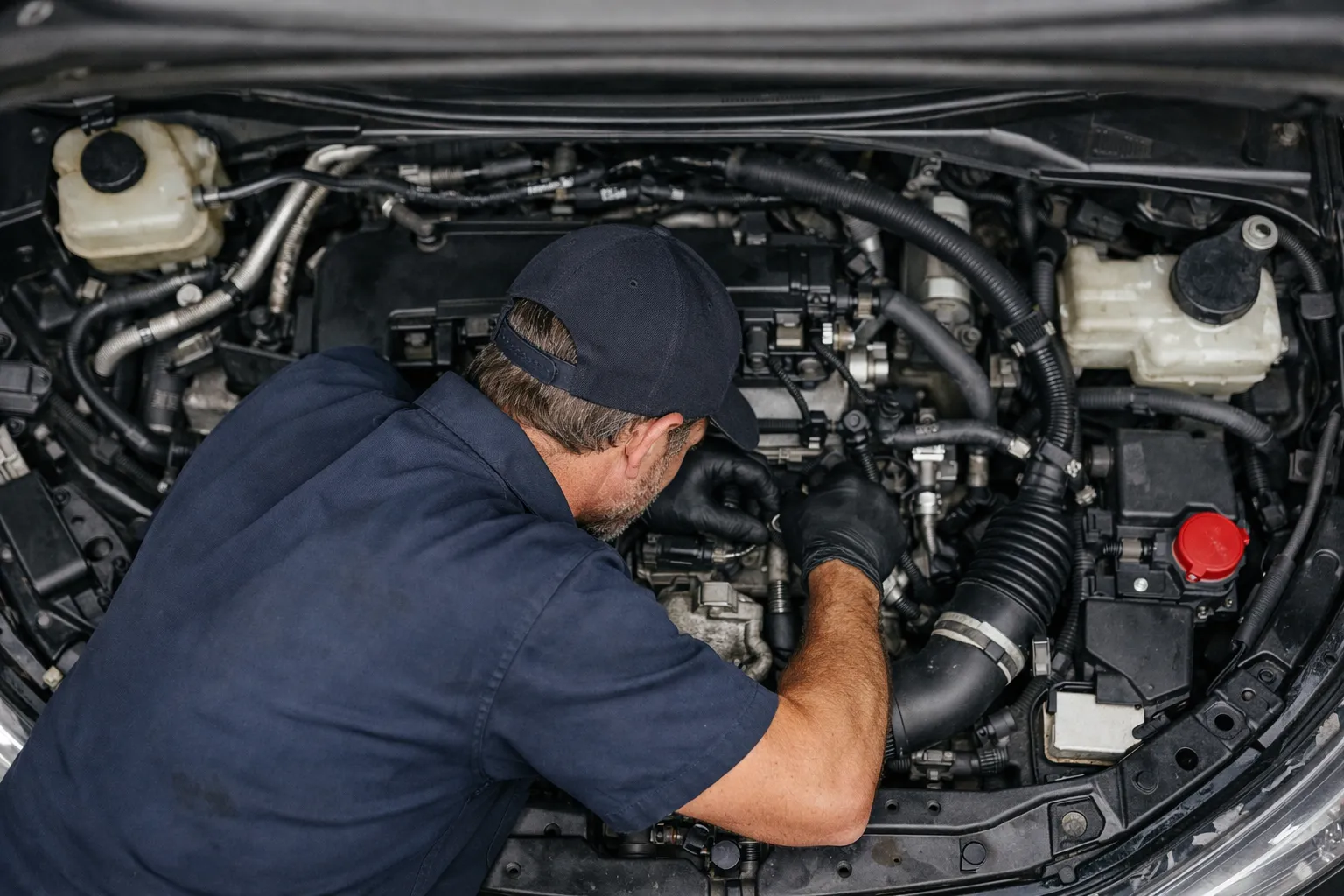
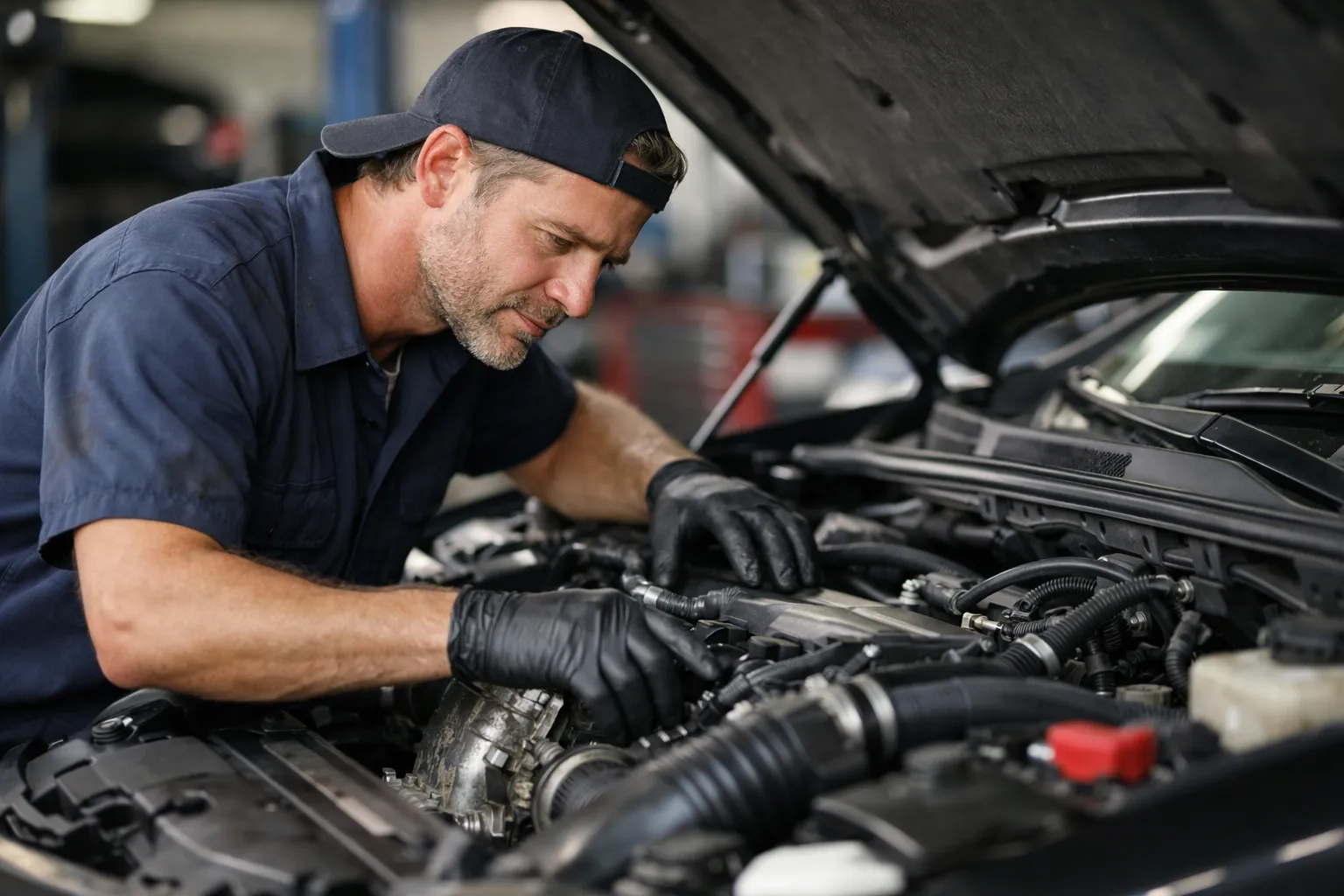
A professional technician approaches tow-vehicle preparation with a specific focus on heat management and fluid condition. These two factors can often determine how well your transmission handles a summer of heavy hauling.
Fresh Transmission Fluid
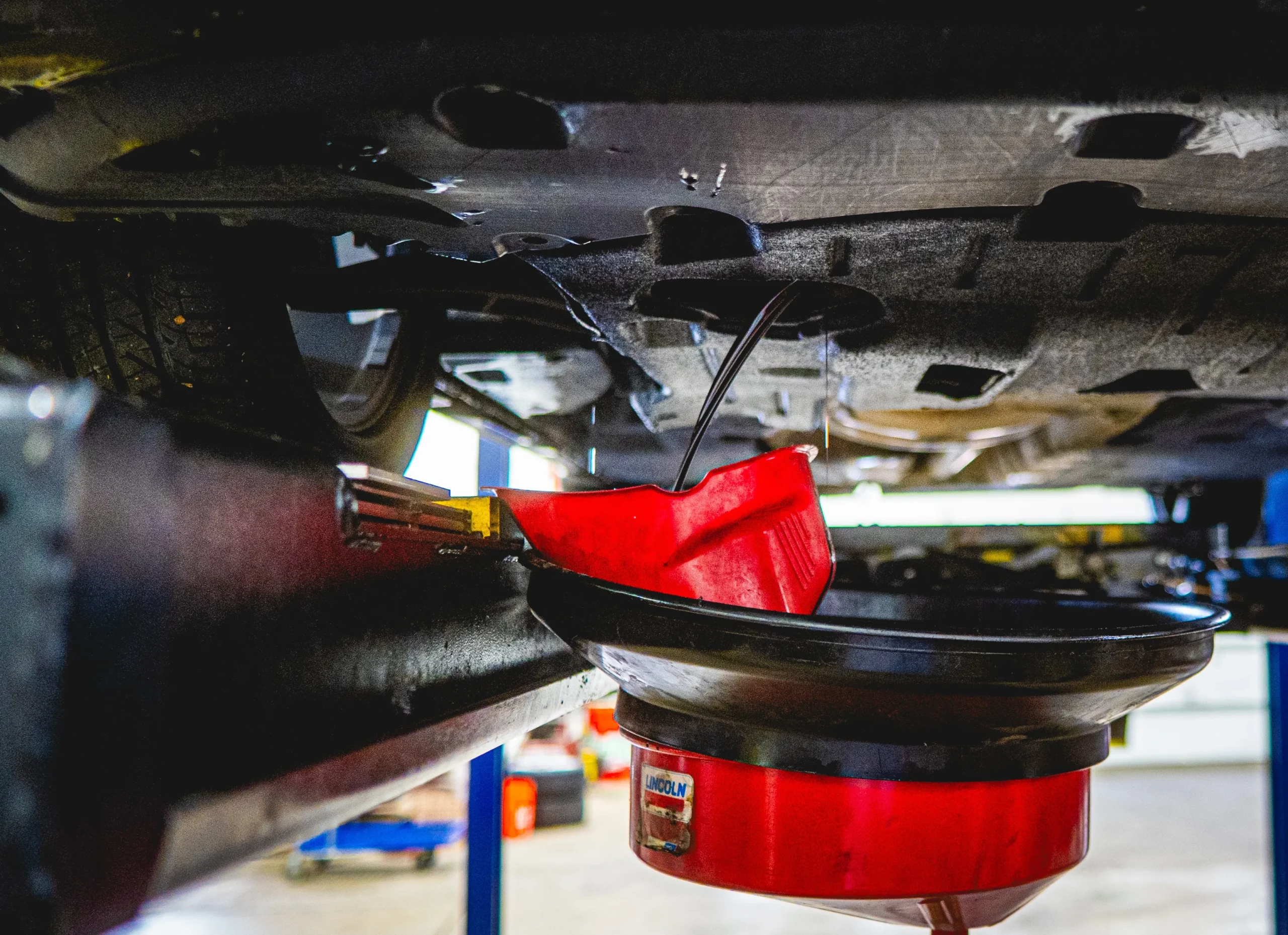
Replacing old fluid is one of the most important preventive steps you can take. While standard driving guidelines may suggest changes every 30,000 to 60,000 miles, regular towing can cut that interval significantly. If you haul a boat throughout the summer, a benchmark of 15,000 to 20,000 miles may be more realistic. Fresh fluid can absorb and dissipate heat much more effectively than old, degraded fluid.
Cooling System and Diagnostic Checks
Technicians will also inspect the transmission cooler and its lines. Many towing vehicles utilize auxiliary coolers, which can clog or develop small leaks over time. A restricted cooler reduces heat dissipation, causing internal temperatures to rise quickly. Bringing your vehicle to a trusted transmission shop in Puyallup allows professionals to use modern diagnostic equipment to check fluid condition, cooler efficiency, and shift patterns, helping them spot subtle internal wear that a basic visual inspection might miss.
Related Articles:
Tow with Confidence This Summer
Waiting for a dashboard warning light or an unusual smell on the way to the lake can quickly turn a weekend getaway into an expensive roadside emergency. A proactive inspection before towing season begins is often the easiest, lowest-stress way to protect your vehicle.
Goods Automotive provides the dedicated maintenance and expertise needed to keep your tow vehicle running at its best. Drivers across Puyallup, Lakewood, Tacoma, Spanaway, Graham, and Sumner rely on our thorough inspections to ensure their trucks can handle heavy summer loads safely and reliably.
Don’t let transmission trouble stall your summer plans. Book an inspection at a trusted transmission shop in Puyallup today to ensure your truck is fully prepared for every trip this season.