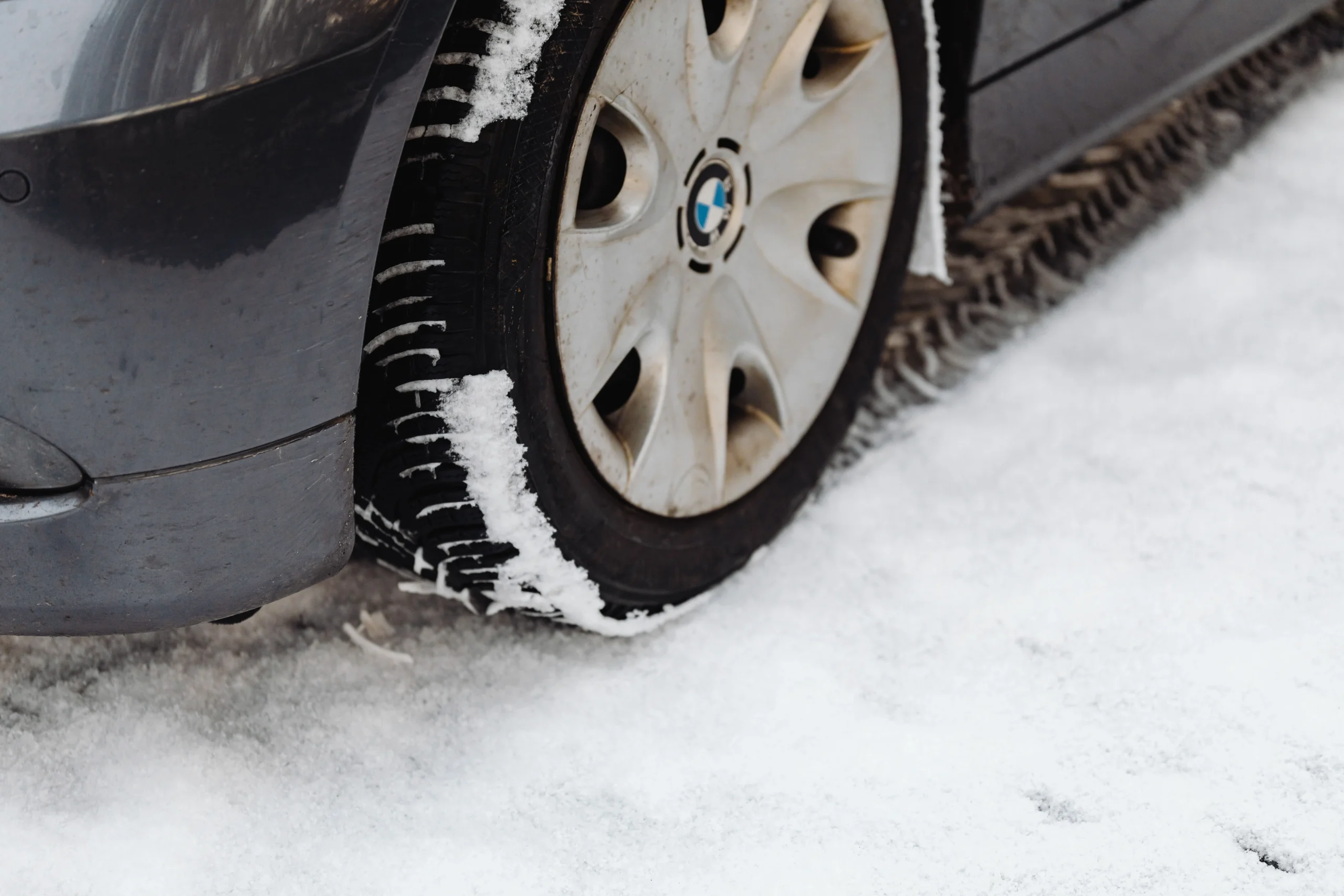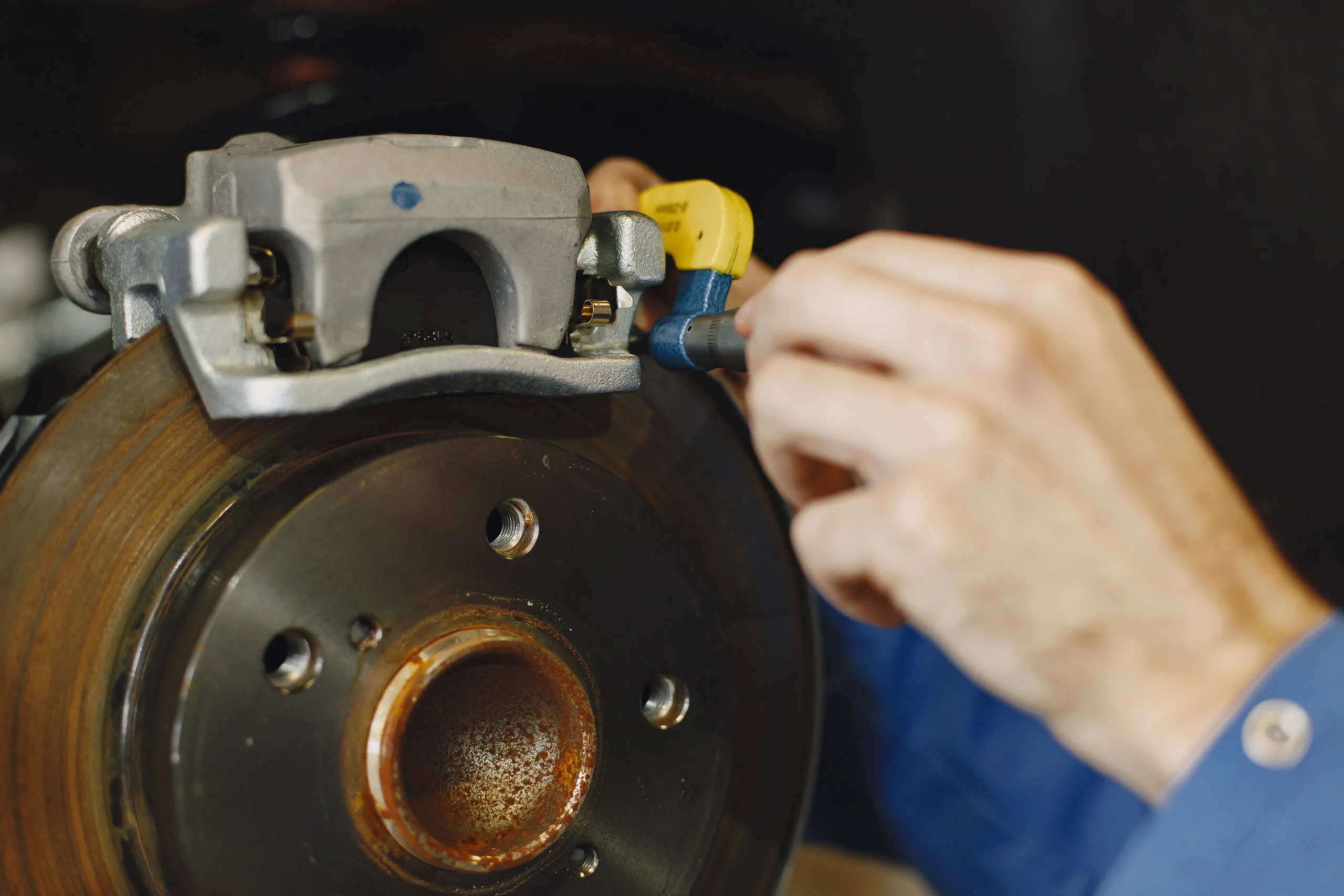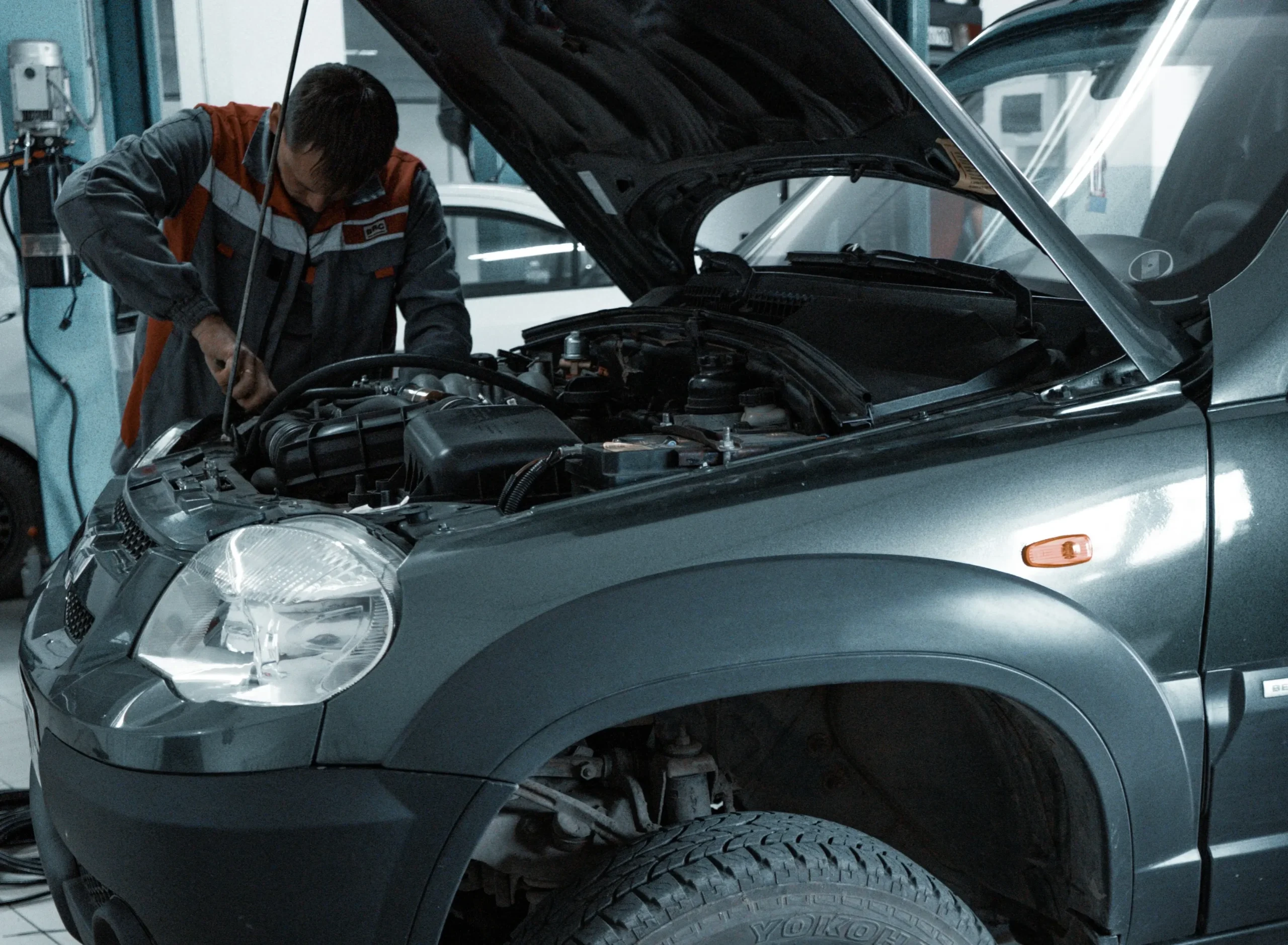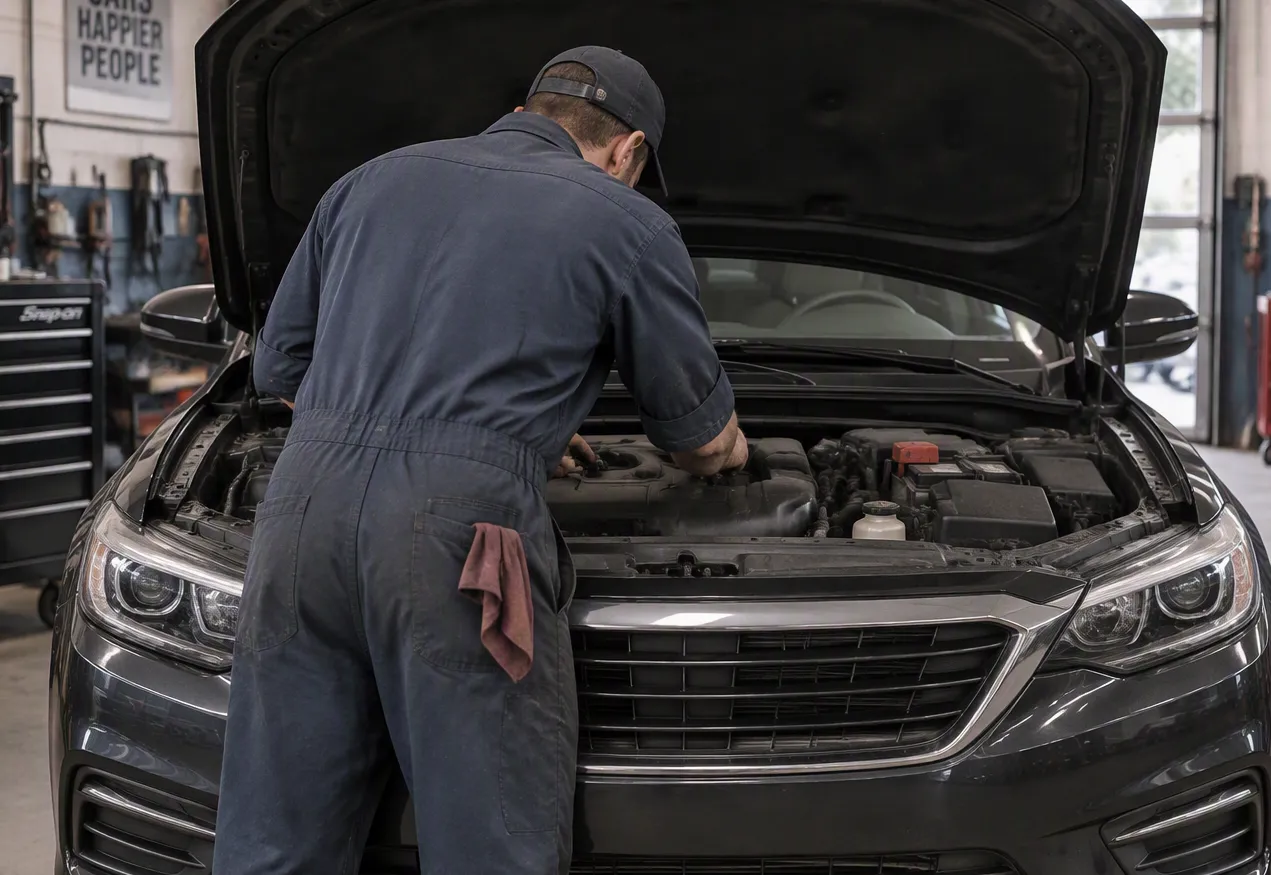

Cold autumn mornings across the South Sound can expose hidden engine problems. A simple commute down Meridian Avenue turns frustrating when your car struggles to start or idles roughly. Repeated extended cranking strains the battery and starter, while an unresolved misfire can lead to more expensive repairs. Getting professional engine repair in Puyallup at the first sign of trouble can stop minor ignition, sensor, or fuel-system faults from becoming major breakdowns.
Why Does My Engine Sputter on Cold Fall Mornings?
Engine sputtering on cold mornings often occurs when low temperatures expose underlying fuel-delivery, ignition, airflow, or battery problems. Dirty Mass Air Flow (MAF) sensors, failing ignition coils, worn spark plugs, weak battery voltage, and vacuum leaks can all disrupt cold starts. Cold engines need a temporarily richer mixture because gasoline vaporizes less effectively and can condense on cold engine surfaces.
If sensors send inaccurate data or spark plugs misfire, the engine cannot maintain a stable air-fuel mixture. The result is a harsh, vibrating idle that may shake the steering wheel until the engine warms up.
Puyallup Cold-Start Diagnostic Matrix
Modern vehicles rely on multiple sensors and electrical components to manage cold-weather operation. The matrix below outlines how common symptoms can point technicians toward likely under-hood concerns.
| Morning Starting Symptom | Possible Underlying Cause | Professional Repair Action |
| Extended cranking before firing | Weak battery voltage, poor cable connection, charging-system issue, or fuel-delivery problem | Battery load test, terminal inspection, and alternator output check |
| Heavy shaking during initial idle | Worn spark plugs, failing ignition coils, vacuum leak, or fuel-control issue | Ignition-system test, scan for fault codes, and spark plug replacement if needed |
| Immediate stall after starting | Airflow sensor issue, vacuum leak, throttle-body deposits, or fuel-delivery fault | Diagnostic scan, intake inspection, and airflow or fuel-system testing |
| High-pitched vacuum hissing | Cracked hose, loose connection, or leaking intake gasket | Smoke test to locate and repair vacuum leaks |
Ignition and Battery Failures in Autumn Weather
Dropping overnight temperatures reduce battery performance and make the engine harder to crank. A battery that worked adequately during summer heat can struggle to provide enough current for a quick cold start. Low voltage can slow the starter and reduce the reliable operation of ignition, fuel-injection, and engine-control systems.
- Weak Spark Plugs: Worn electrodes can struggle to ignite the richer mixture needed during cold starts.
- Failing Ignition Coils: Damaged coil insulation, boots, or internal components can allow misfires that become more obvious in cold, damp conditions.
- Voltage Drops: A weak battery, corroded connection, or failing starter can cause slow cranking and unstable electrical performance.
Catching these faults requires testing electrical loads directly at the battery terminals. Getting reliable engine repair in Puyallup helps identify voltage and ignition problems before you get stranded in a cold driveway.
How Fuel and Air Issues Cause Rough Idling
Engines need a precise air-to-fuel ratio to run smoothly. When dirt coats the MAF sensor, the computer can miscalculate how much air is entering the intake manifold. Depending on the error, the engine may run too lean or too rich, creating hesitation, poor idle quality, or sluggish acceleration.
A professional engine repair in Puyallup includes scanning fuel-trim data and fault codes to identify the real cause. This approach separates a sensor concern from ignition trouble, fuel-delivery problems, or an intake leak.
Rubber vacuum hoses and intake gaskets can become less flexible as temperatures drop across the region. Existing cracks, loose connections, and marginal seals may leak more noticeably before the engine warms up. Technicians pump artificial smoke through the intake system to safely locate these hidden cold-start vacuum leaks.
Morning Warm-Up Habits for South Sound Drivers
Autumn driving calls for gentler operation during the first few miles.
- Drive Gently After Starting: Let the engine settle for a few seconds, then pull away smoothly instead of idling for minutes.
- Limit Early Acceleration: Avoid high RPM, hard throttle, and heavy loads until the engine reaches normal operating temperature.
- Listen for Belt Squeals: A squealing serpentine belt can indicate wear, low tension, or pulley issues that need inspection.
Gentle driving protects a cold engine while oil, fuel control, and clearances stabilize. A trusted shop for engine repair in Puyallup can verify your starting and charging systems for reliable cold-weather operation.
Related Articles:
- Top Signs Your Vehicle Needs Engine Repair in Puyallup
- Is Your Check Engine Light On? How to Handle It in Puyallup
Schedule Your Cold-Weather Engine Diagnostic Today
Ignoring a sputtering cold start always leads to more expensive damage down the road. Goods Automotive uses advanced diagnostic scanners to read live sensor data while the vehicle is still cold. This hands-on testing quickly pinpoints failing spark plugs, dirty sensors, and hidden vacuum leaks.
Dependable engine repair in Puyallup keeps your daily commute safe and predictable all winter long. Contact Goods Automotive today to schedule a diagnostic inspection and restore smooth starting performance.