
Heavy Pacific Northwest rain leaves zero room for worn car parts. Standing water on Highway 512 and River Road demands deep tire tread, fresh wiper blades, and responsive brakes.
Preparing your vehicle for Washington rain protects your traction and visibility before severe weather hits. Timely Puyallup auto repair helps ensure your car handles dark, slick roads safely during the rainy season.
How to Prepare Your Car for the Rainy Season in Washington
Preparing your car for Washington rain requires a methodical check of four key systems: tires, brakes, wipers, and electrical components. Checking these systems ahead of time prevents sudden failures when heavy storms arrive.
| Vehicle System | PNW Autumn Weather Risk | Required Maintenance Action |
| Tire Tread & Pressure | Hydroplaning on standing water | Measure tread depth; balance and rotate tires |
| Brake Pads & Rotors | Increased stopping distance on slick roads | Inspect pad thickness; resurface or replace worn rotors |
| Wiper Blades & Washer Fluid | Blinding glare and poor windshield clearance | Replace dried rubber blades; fill hydrophobic washer fluid |
| Battery & Electrical | Cold, wet morning starts; alternator load | Test battery voltage; clean corroded terminal posts |
Address these vulnerabilities early to avoid emergency road breakdowns. Systemic inspection keeps small maintenance needs from becoming major repairs later.
How Do Tire Tread and Air Pressure Prevent Hydroplaning?
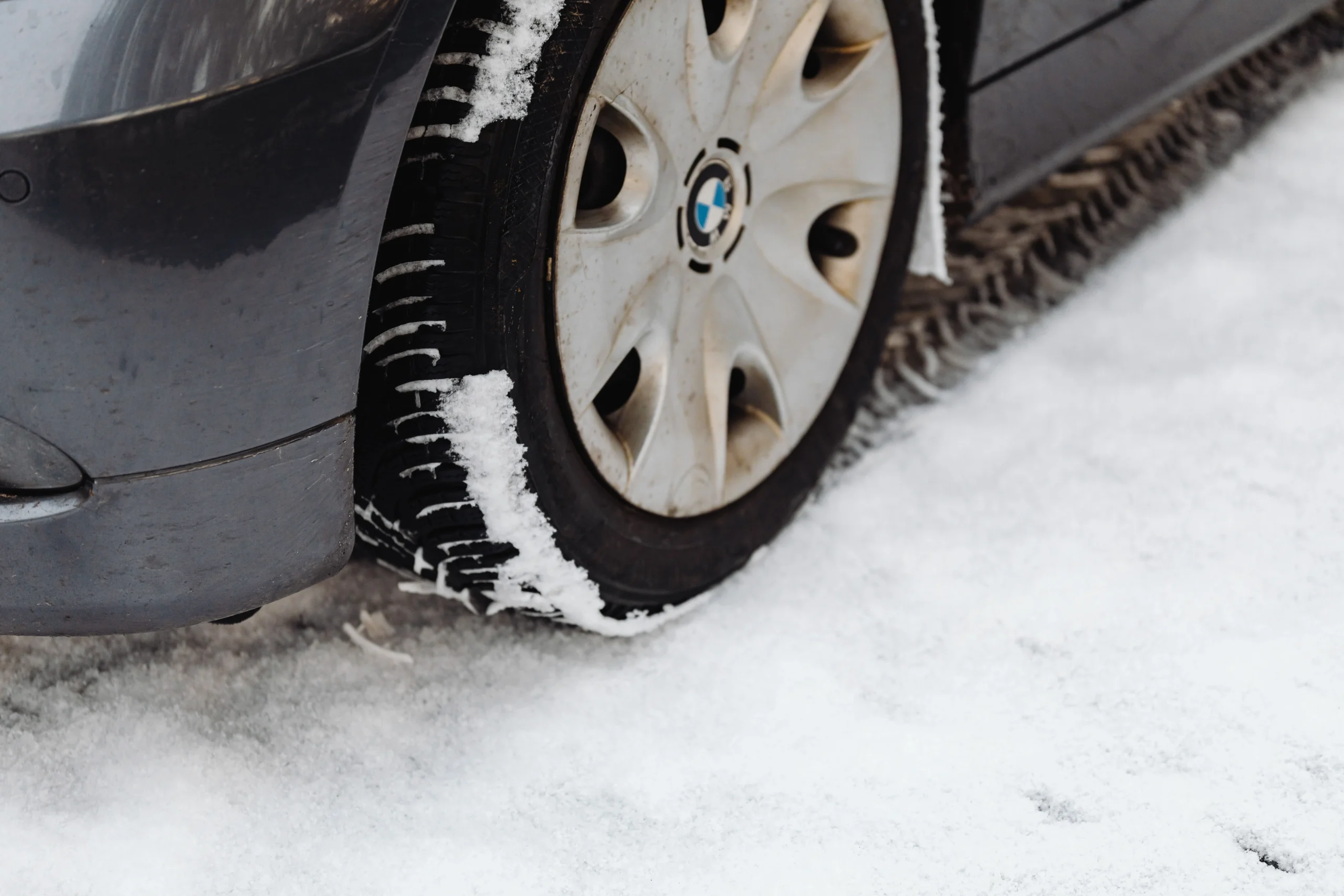
Deep tire tread prevents hydroplaning by channeling standing water out from under the tire footprint. Tread grooves perform best with at least 4/32 of an inch of depth, which helps continuously pump water away as the wheel rolls. When rubber wears toward 2/32 of an inch, water traps underneath more easily and can lift the tire off the pavement, causing a serious loss of steering control.
Proper air pressure is equally critical because it keeps those tread grooves working as designed under your vehicle’s weight. However, cold autumn air reduces internal tire pressure, weakening the tire’s ability to evacuate water and increasing the risk of hydroplaning. Underinflated tires cannot shed water effectively, forcing the wheel to float on slick asphalt. Checking tire pressure weekly helps keep tread grooves open to clear heavy rainfall.
How Do I Prepare My Brakes for Washington Rain?
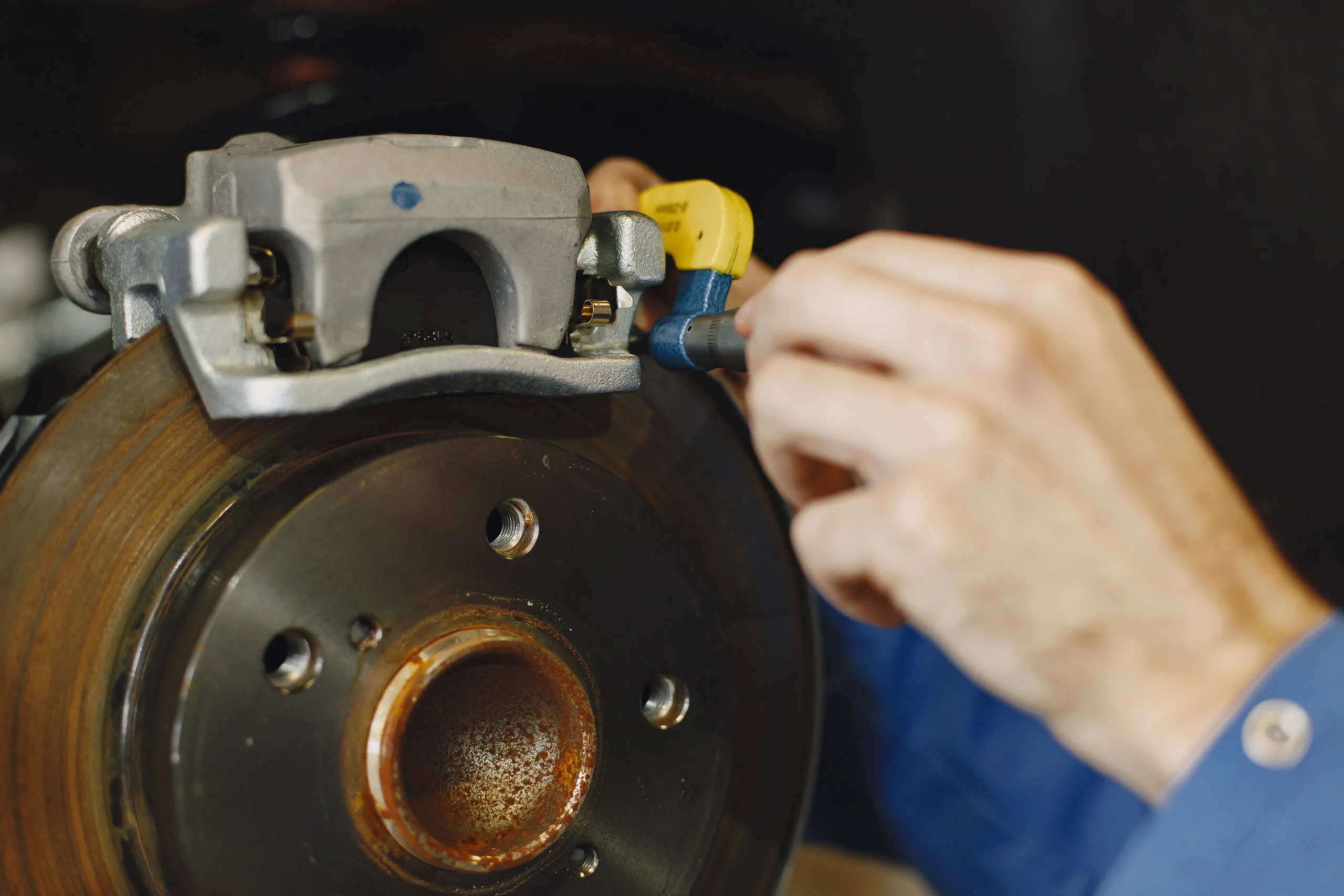
Preparing brakes for wet weather involves measuring pad thickness and checking rotor condition before downpours arrive. Thin brake pads leave less friction material to bite through the slippery film of water and road oil coating rotors in autumn. Measuring pad depth ensures your braking system has enough material for confident emergency stops on slick asphalt.
Resurfacing or replacing warped rotors removes rust spots and restores a flat contact surface for brake pads. Technicians also test brake fluid for moisture absorption, which lowers the boiling point and can contribute to fade under repeated hard braking on wet grades. Timely Puyallup auto repair keeps stopping distances short when highway traffic halts suddenly on wet roads.
Why Should You Replace Wiper Blades Before Autumn Rain?
Driving safely in heavy rain requires replacing hardened wiper blades before dark, wet commutes begin. Summer heat bakes wiper rubber, causing blades to chatter, split, and streak across glass during sudden downpours. Fresh wiper assemblies clear standing water far more effectively with less streaking and fewer blind spots.
Clean windshield glass reduces glare from oncoming headlights during dark autumn evenings. Applying a hydrophobic glass coating encourages rainwater to bead up and roll off more easily at highway speeds. Combining new wiper blades with treated glass gives drivers clear visibility through persistent drizzle.
How Do I Prepare My Battery for Cold Rainy Weather?
Preparing a vehicle’s electrical system starts with testing battery voltage and cleaning terminal posts before winter arrives.
Cold, damp weather slows internal battery chemistry while headlights, defrosters, and wipers place peak demand on the charging system. Testing cold cranking amps identifies weak battery cells before they struggle on a cool, wet morning.
Clearing corrosion off battery posts restores proper current flow between the starter and alternator. Technicians check drive belt tension to confirm the alternator generates adequate power under heavy electrical loads. Scheduling comprehensive Puyallup auto repair keeps your charging system balanced and ready for severe weather.
Related Articles:
- Wet Weather Driving Safety Guide & Puyallup Auto Repair Tips
- Scheduled Maintenance: Get Your Car Fall Ready in Puyallup
Schedule Your Fall Inspection Today
Navigating Pacific Northwest storms requires total confidence in vehicle safety systems. Goods Automotive offers seasonal inspections, brake checks, tire servicing, and electrical diagnostics. Booking routine service early prevents unexpected road failures when severe weather arrives.
Dependable Puyallup auto repair protects your vehicle on slick roads. Contact Goods Automotive today to schedule a pre-winter inspection.