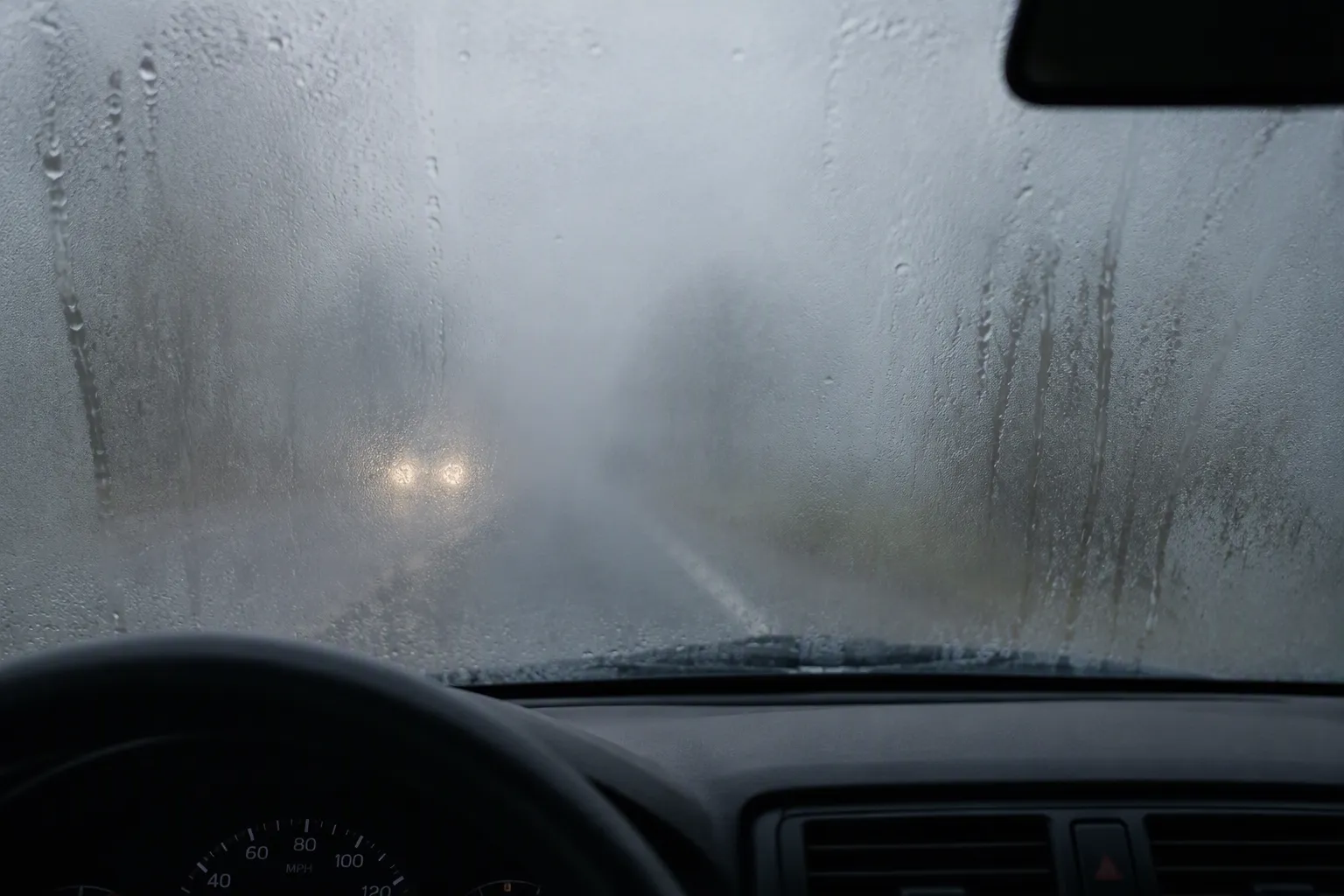

Pacific Northwest drivers know the daily struggles of a heavy autumn rainstorm. Massive downpours leave deep puddles across highway off-ramps and local neighborhood streets. You hit a patch of standing water, and instantly, the steering wheel locks up in your hands. Trying to muscle a heavy vehicle through a wet corner with dead steering is terrifying. Fixing this dangerous glitch requires understanding water intrusion and seeking a targeted power steering repair before the weather worsens.
Why Does My Steering Wheel Suddenly Get Hard to Turn When Driving in Heavy Rain?
Splashing through deep standing water can soak the rubber serpentine belt, causing it to slip on the power steering pump pulley and temporarily lose power steering assist.
Most drivers panic when the wheel goes stiff, assuming the internal steering rack just shattered. The physical truth is much simpler. Your hydraulic pump relies on a spinning rubber drive belt connected to the engine. When that rubber belt gets soaking wet, it loses its grip on the smooth metal pulleys. Without that belt spinning the pump, you lose most hydraulic assist almost immediately.
How Water Intrusion Causes Belt Slippage
When you drive through a deep puddle, gallons of water splash directly up into your hot engine bay. If the splash is too big, the grooved rubber belt simply cannot shed the moisture fast enough.
This trapped water creates a thin film between the belt and the metal pump pulley. The belt slips on the smooth metal surface instead of gripping it. The hydraulic pump slows or stops, fluid flow drops, and your steering wheel becomes incredibly heavy. Once the belt sheds that trapped water, the rubber grips the metal again and your steering snaps back to normal.
Does Belt Slippage Require a Steering System Repair?
Your engine uses a rubber drive belt to physically spin the metal pulley attached to the front of the hydraulic steering pump. When this belt gets wet and slips, the pump stops spinning. Ignoring this chronic slippage all but guarantees major mechanical failures down the road.
When the wet belt suddenly grips the pulley again, the steering wheel can jerk in your hands. This unexpected movement can push you out of your lane on slick roads. That repeated slipping and re-gripping also stresses the pump pulley and shaft. This harsh action increases wear and heat on the internal bearings inside the pump housing.
A professional steering system repair addresses the root cause of the water intrusion before those internal bearings fail. Fixing the physical water routing early prevents a cheap rubber belt replacement from becoming an expensive hydraulic pump job. A skilled mechanic inspects the underbody, wheel wells, and fender liners to determine exactly how standing water reaches the belt.
Preventative Fixes to Stop Stiff Steering in the Rain
Keeping standing water out of the engine bay and keeping the drive belt tight solves this terrifying problem. Mechanics look at three specific components to restore safe driving dynamics. These physical barriers keep the belt dry.
- Underbody Splash Shields: Modern cars rely on large plastic shields bolted under the engine block to deflect standing water. Snowbanks and parking curbs constantly tear these plastic guards off. Replacing a missing splash shield physically blocks puddle water from hitting the drive belt.
- Automatic Belt Tensioners: A weak tensioner pulley allows the rubber belt to flap loosely. A loose belt slips more easily than a properly tensioned one. Installing a fresh tensioner keeps the rubber pressed firmly into the metal grooves.
- Fresh Serpentine Belts: Old rubber hardens and cracks over time. A worn belt cannot channel water away effectively. Installing a fresh belt restores the deep rubber grooves needed to shed water out of the pulley system.
Related Articles:
- Power Steering Repair Guide: Stiff Steering & Whining Noises
- Graham Power Steering Repair: Common Issues & Fixes
Restore Safe Steering in the Rain
Losing steering assist during a storm puts everyone on the road in danger. Wrestling a heavy vehicle through a wet corner causes dangerously delayed reaction times. Fixing these physical faults now keeps your hydraulic pump running reliably, no matter the weather.
Goods Automotive provides the hands-on diagnostic testing needed to keep your vehicle safe. We check underbody splash shields, test belt tension, and inspect hydraulic fluids so your daily commute stays predictable.
Schedule a dependable power steering repair so you can handle Pacific Northwest rain with total confidence. Reach out today!