
Fall storms flood Pacific Northwest intersections. You hit the brakes at a red light, and the steering wheel shakes violently. That vibration often points to rotor surface issues behind your wheels. Getting a professional rotor resurfacing early stops the shaking and protects your suspension. Ignoring it all but guarantees a much larger repair bill later.
Why Does My Brake Pedal Shake When Stopping in the Rain?
Driving through deep, cold rain puddles with hot brake rotors can cause rapid thermal shock, creating thickness variation on the metal surface and producing pedal shaking during braking.
The Wet Weather Rotor Warp Rule
This concept explains how heavy local rain damages automotive steel through two physical reactions.
1. The Thermal Shock Reaction
Brake systems generate massive friction to stop a heavy vehicle, and hard use can push temperatures well above four hundred degrees. Commuting down steep hills around Lakewood generates maximum heat right before you hit standing water at the bottom. When you drive hot metal discs into a freezing puddle, the sudden temperature drop forces the thick steel to contract unevenly. This rapid cooling can distort the flat metal before you even reach your driveway.
2. Surface Thickness Variation
The thermal shock creates microscopic high and low spots across the metal face. The brake pads press against this wavy surface when you apply the brakes. The pads ride rapidly over these hidden hills and valleys as the wheel turns. This creates pressure fluctuations in the brake lines, which shake the pedal and often the steering wheel under your foot.
When to Resurface vs. Replace Warped Rotors
You don’t always need to buy brand-new parts to stop a vibrating brake pedal. A specialized lathe machine can shave a precise layer of steel off the damaged face to remove the high spots. This mechanical cutting action restores a smooth, flat surface that allows the brake pads to grip without bouncing.
While turning your rotors is a smart way to save the original factory steel, it has strict physical limits. Cutting metal away makes the disc thinner. Mechanics must measure the steel with micrometers to ensure the repair keeps the metal safely above the manufacturer’s minimum thickness specification. Thin discs cannot absorb heat safely and require a full replacement if the distortion goes too deep.
Why Ignoring a Vibrating Steering Wheel is a Mistake
Many drivers ignore a shaking steering wheel because the vehicle still stops. This is a poor financial strategy. That violent bouncing at the wheel hub does not just shake your foot. It sends repeated vibration straight into your tie rods, ball joints, and wheel bearings.
These suspension parts are not built to absorb rapid, constant vibrations. A distorted disc can accelerate wear on a healthy wheel bearing within months. Correcting the metal face early prevents this harsh vibration from traveling up the steering column. Performing a standard brake rotor turning procedure early is much cheaper than replacing worn steering and suspension parts later.
Preventing Water Damage on Local Roads
Stopping this thermal shock requires a change in daily driving habits. Avoid riding your brakes down steep neighborhood hills right before hitting a flooded intersection. Downshift your transmission to slow down naturally instead. Let the vehicle coast to shed heat before splashing through deep standing water.
Sometimes avoiding puddles is impossible during heavy autumn storms. Pay attention to how your steering wheel feels after a heavy rainstorm to catch mechanical damage early. A small vibration acts as an early warning sign of distortion. Addressing this minor shake before it rattles your dashboard protects your vehicle from premature wear.
Related Articles:
- Steering Shake When Braking? Why You Need Rotor Resurfacing
- Rotor Resurfacing vs. Replacement: Guide for Puyallup Drivers
Stop the Vibration With Goods Automotive
Driving a shaking vehicle on wet pavement compromises your stopping distance and steering control. A vibrating pedal means your brake pads are physically losing contact with the metal disc. Restoring that contact helps you stop safely in emergencies.
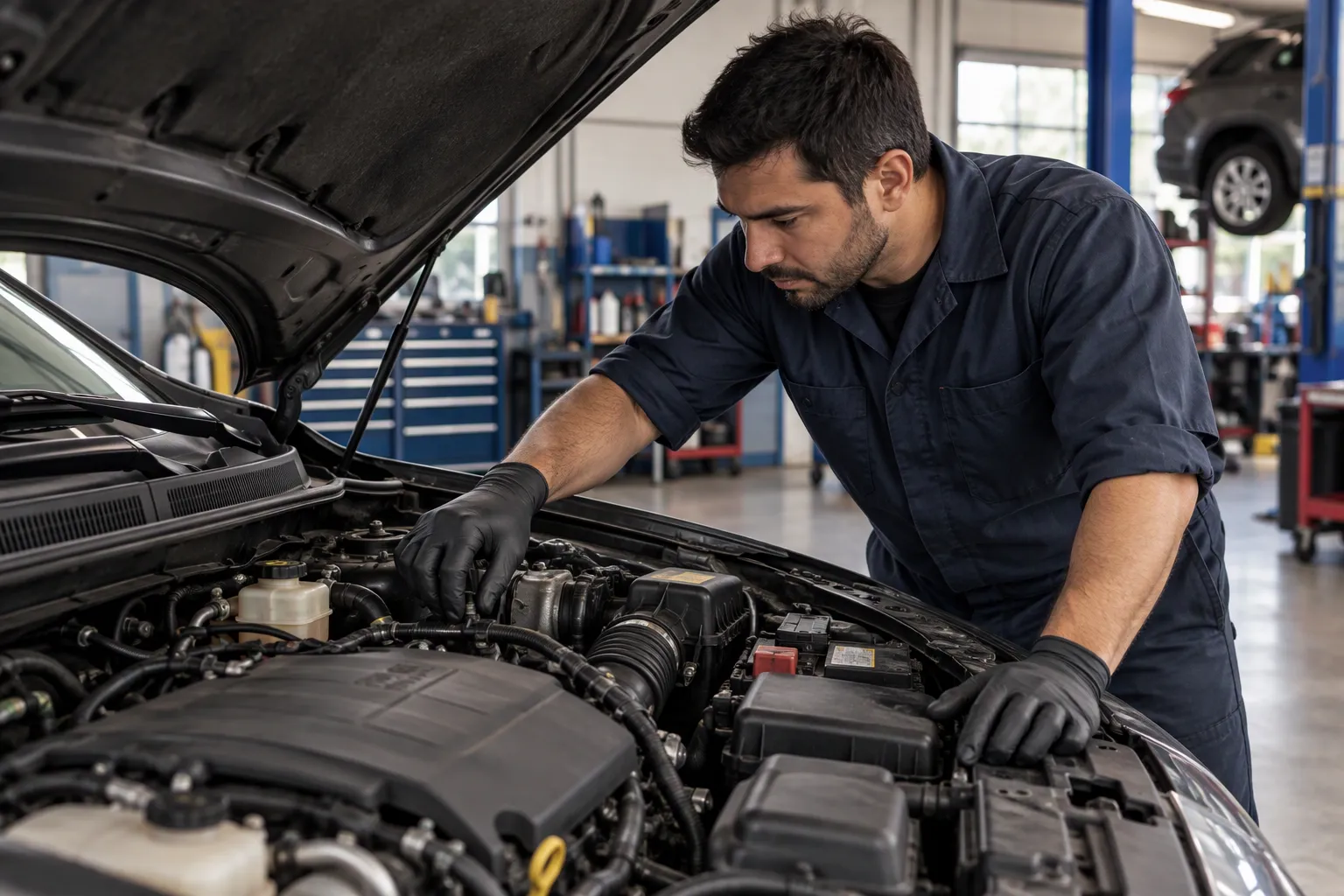
Goods Automotive measures your damaged metal with digital micrometers to determine the safest repair path. Our technicians assess the thermal damage and explain the measurements before turning on the lathe.
Schedule a reliable rotor resurfacing today to eliminate the morning shake and protect your daily commute. Contact us!