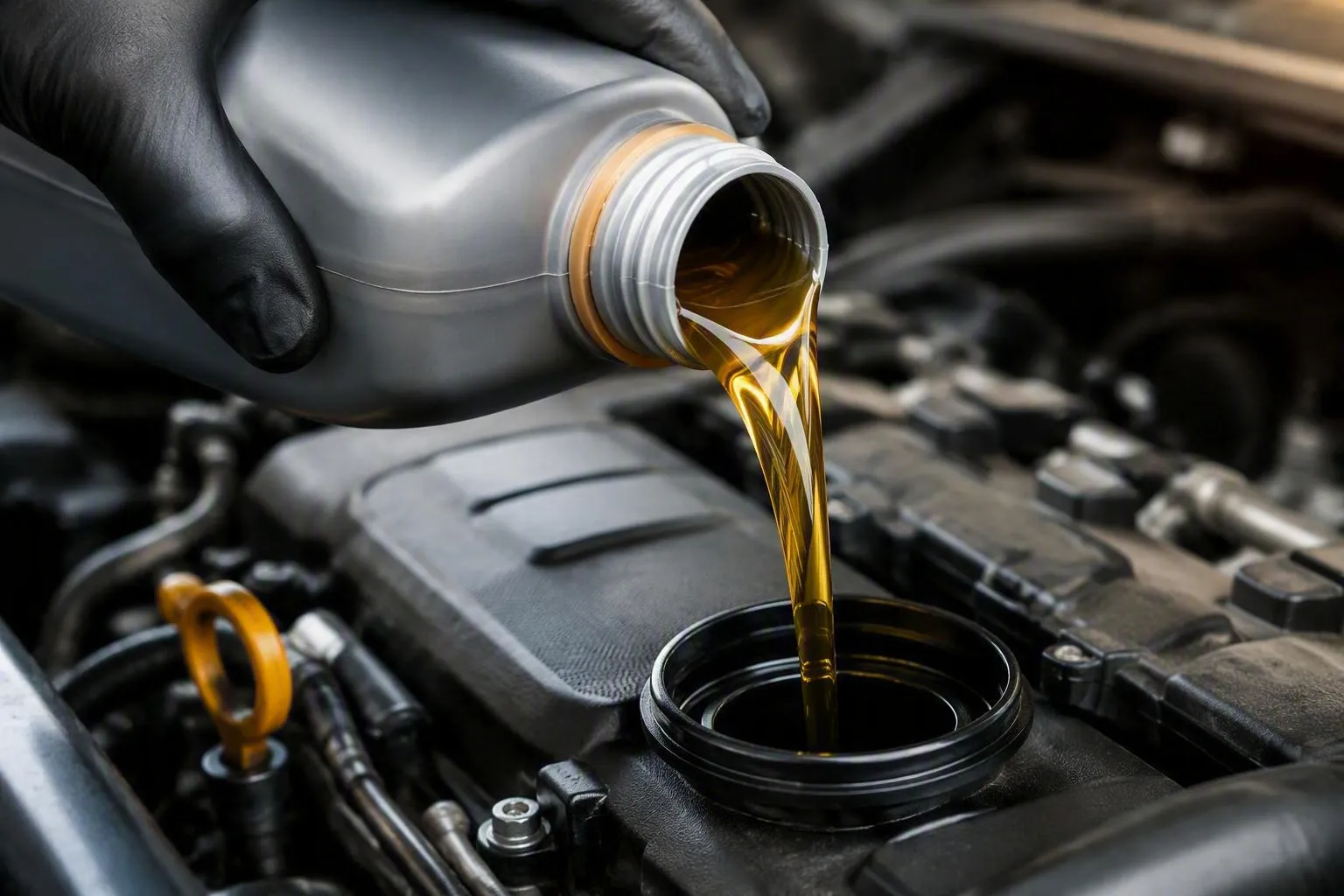

Aligning tire rotations with every 5,000-mile synthetic oil change helps promote even tread wear between front steering tires and rear axle tires. Pairing regular rotation with dynamic wheel balancing reduces uneven tread cupping, cuts highway vibration, and can significantly extend total tire lifespan. If you want to maximize your rubber investment, you need a routine tire balance and rotation.
How Often Should I Rotate and Balance My Car Tires?
A simple way to remember this maintenance schedule is the 1:1 Oil-to-Rotation Rule. For many drivers, scheduling a tire balance and rotation every time you get a synthetic oil change works well. That puts the service interval right around 5,000 miles for most modern vehicles. Waiting much longer allows uneven wear patterns to take root in the rubber.
People forget to check their tread because rubber degrades very slowly over months of driving. Tying the rotation to an oil change removes the guesswork from the schedule. Your mechanic already has the car lifted off the ground for the oil drain. Knocking out both services at once saves you the hassle of a second trip to the shop.
Why You Shouldn’t Skip This Basic Maintenance
Your vehicle carries a massive amount of weight in the front end. The heavy engine block sits directly over the front axle. The front wheels also handle all the steering input and take the brunt of weight transfer during hard braking. All this physical stress grinds the front tread down much faster than the rear tread.
Leaving tires in the same spot greatly increases the risk of premature failure. The front rubber often wears down much faster while the rear rubber still looks relatively new. You are then forced to buy two replacement tires far earlier than necessary. Moving them around spreads that heavy front-end abuse evenly across all four corners over time.
Front-Wheel Drive Wear Bias vs. Rotated Wear Evenness
Driving habits heavily dictate overall tread life. However, basic mechanical physics apply to every vehicle on the road. Here is how tread degrades on a standard front-wheel drive car without maintenance versus one with proper care.
| Tire Position | Non-Rotated Wear Pattern | Rotated Wear Pattern (5,000 Miles) | Total Lifespan Impact |
| Front Axle | High friction loss and rounded shoulders | Even surface wear across the tread | Premature replacement |
| Rear Axle | Minimal wear but higher risk of cupping | Even surface wear across the tread | Balanced aging |
| All Four | Unmatched grip and poor handling | Predictable traction at all corners | Significant extension |
Rotating the tires keeps the tread depth much more even on all four corners. More even tread depth helps reduce unnecessary strain on drivetrain components, especially on AWD vehicles. It also ensures predictable vehicle handling during emergency maneuvers.
Navigating Puyallup Roads and Pacific Northwest Rain
Washington weather demands a lot from your vehicle. Puyallup roads feature steep hills, sharp curves, and constantly shifting speed zones. Braking down these local grades puts immense heat and physical pressure on your front wheels. When the rainy season hits, you need deep tread channels to push standing water out of the way.
Bald front tires become a serious liability in heavy rain. Uneven tread can cause pulling or instability during sudden stops on slick pavement. A consistent tire balance and rotation keep the deepest tread where you need it most. This simple routine acts as your primary defense against dangerous hydroplaning on wet highways.
Why Balancing Must Happen at the Same Time
Moving the wheels around is only half the job. Every wheel assembly has tiny imperfections in its weight distribution. A slight weight imbalance creates a heavy spot as the wheel spins at speed. This heavy spot hits the pavement with extra force on every single revolution.
That repeated impact can create a patchy wear pattern known as cupping. It also causes a steering wheel vibration that often gets progressively worse at highway speeds. A dynamic wheel balance uses small metal weights to counter those heavy spots. This process helps protect your suspension parts from unnecessary shaking and makes a tire balance and rotation more effective.
Related Articles:
- Causes of Uneven Tire Wear & How Balance Helps in Tacoma
- Why You Need Tire Balance & Rotation for Wet Spanaway Roads
Reliable Local Care for Your Vehicle
Ignoring routine maintenance always costs more money in the long run. Buying a full set of rubber is a major financial expense. You protect that investment by scheduling a tire balance and rotation every 5,000 miles.
The expert technicians at Goods Automotive handle these services efficiently. They inspect the tread, swap the wheels, and correct weight imbalances before they ruin your ride.
Contact Goods Automotive today to get your maintenance schedule back on track.