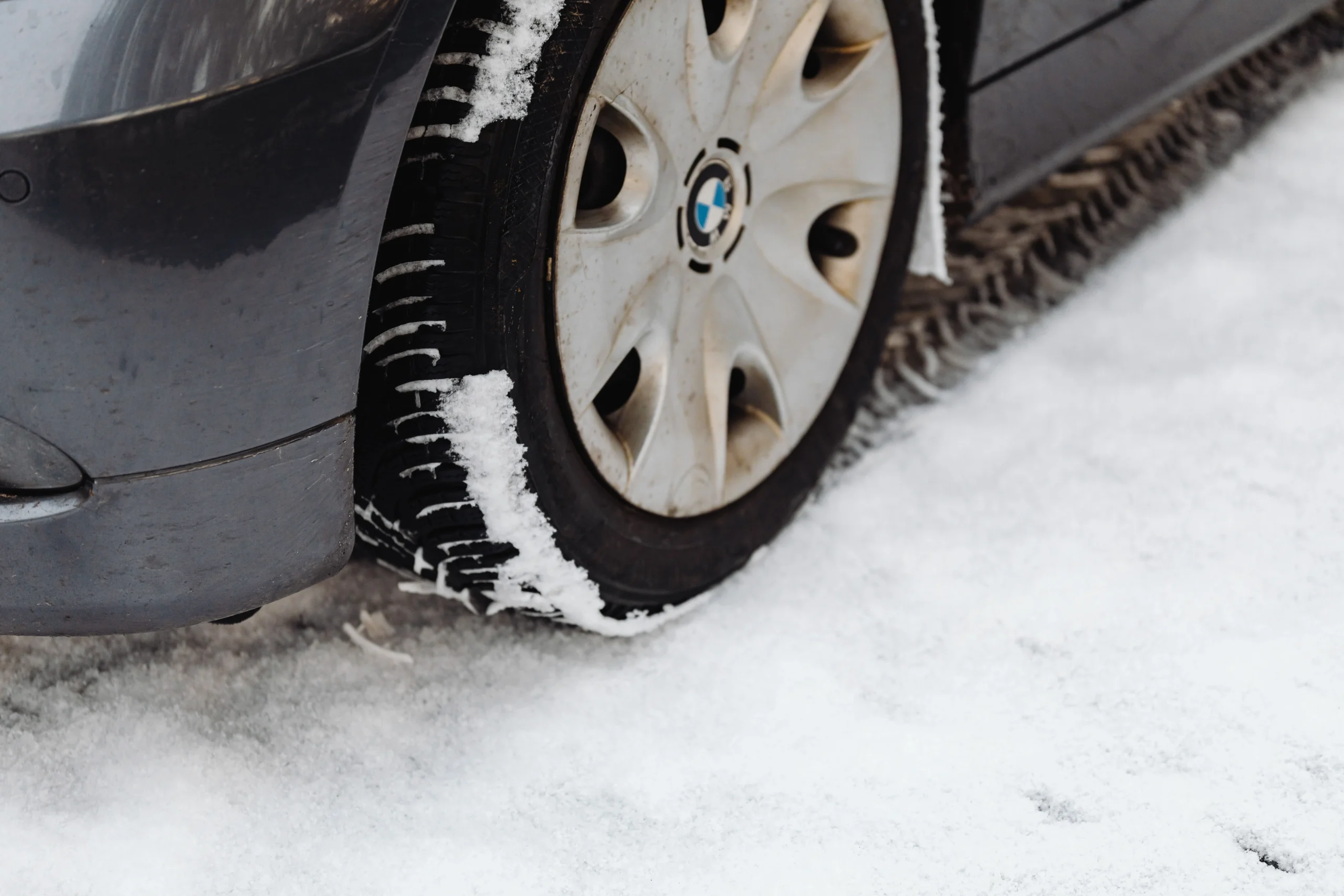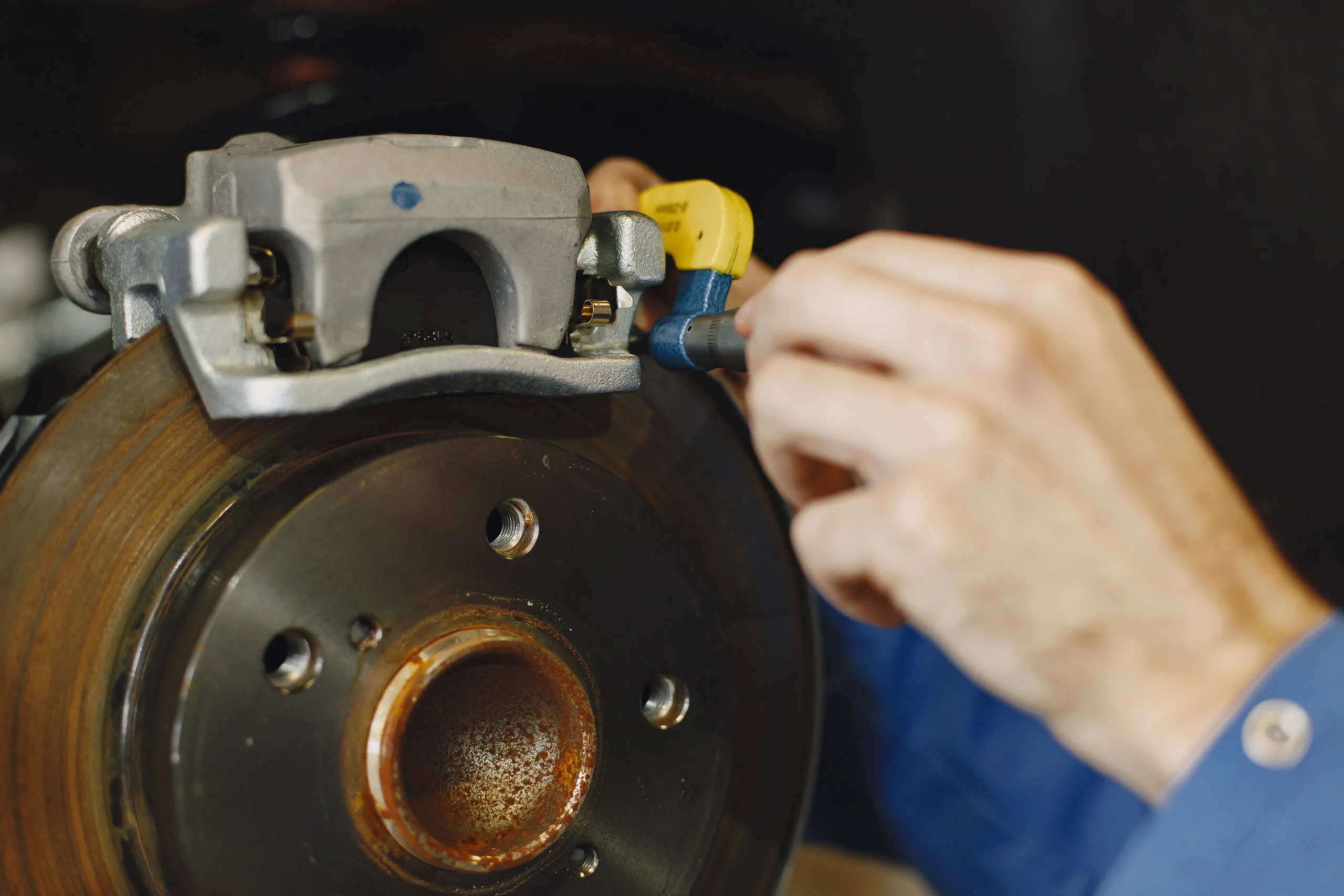

Cold autumn mornings in the Pacific Northwest test every mechanical part of a vehicle. Starting the engine is only half the battle. Shifting into drive and feeling a long hesitation, repeated slipping, or a harsh clunk can signal a developing transmission issue. Finding reliable transmission repair near you before the winter freeze sets in prevents these morning symptoms from turning into major repairs.
Why Does My Transmission Shift Hard When It Is Cold Outside?
Transmissions can shift hard or slip on cold mornings because low temperatures increase fluid viscosity, slowing flow through internal passages and delaying the hydraulic pressure needed for smooth gear engagement. Until the fluid warms and thins, the unit may struggle to build full line pressure for crisp shifts.
Cold fluid, low level, worn seals, or incorrect fluid specification can all contribute. Once the transmission reaches operating temperature, many cold-weather symptoms should fade. If they persist when warm, the problem is likely mechanical or hydraulic, not just temperature.
Cold Transmission Fluid and Hydraulic Pressure Mechanics
Automatic transmissions operate on complex hydraulic pressure. Inside the metal casing sits a dense maze of tiny passages and spring-loaded valves. Fluid must flow through these narrow channels at high speed to engage the clutch packs that actually move the car. When temperatures drop across the Puget Sound, old transmission fluid thickens like cold syrup.
Thick fluid moves more slowly through the valve body, so pressure can lag during the first few minutes of operation. The pump circulates fluid, but engagement may feel delayed or firmer until viscosity drops. Searching for dependable transmission repair near you also reveals that old fluid can carry wear particles and lose protective properties, which aggravates cold-weather behavior.
Recognizing Mechanical Slipping Versus Normal Cold Operation
It is common for a transmission to feel slightly firmer or slower to engage during the first mile or two on a frosty morning. Thick overnight fluid just needs a few minutes of circulation to thin out and flow smoothly. However, normal cold-weather sluggishness differs clearly from mechanical failure.
- Delayed Engagement: A brief pause can be normal in very cold weather, but a consistent delay of more than about one to two seconds after shifting into drive or reverse deserves attention, especially if it is getting longer or accompanied by a hard “thunk.”
- High RPM Slipping: If the engine revs high without the vehicle accelerating, the clutch packs may not be gripping firmly. Occasional cold slip that disappears as the unit warms can happen; persistent slip indicates low fluid, worn clutches, or pressure problems.
- Harsh Clunking: A violent jerk when shifting between forward gears points to pressure spikes, sticking valves or solenoids, or worn mounts. Thick, degraded fluid can make early shifts feel rougher, but repeated harsh engagements are not normal.
- Whining Noises: A high-pitched whine from underneath can indicate low fluid, pump wear, or other internal issues. Cold fluid alone shouldn’t cause a loud, persistent whine.
Ignoring these clear warning signs accelerates internal wear rapidly. Booking a professional transmission repair near you catches these pressure and fluid issues before the unit requires a costly rebuild.
Warm-Up Habits for South Sound Drivers During Cold Weather
Protecting delicate hydraulic components requires adjusting daily driving habits when temperatures drop.
- Skip Long Idling: Let the engine settle briefly, then shift into gear and begin driving gently instead of idling for minutes.
- Keep RPMs Low: Accelerate smoothly out of your neighborhood to avoid sharp pressure spikes while the fluid remains thick.
- Delay Heavy Throttle: Avoid hard acceleration when merging onto fast-moving roads like Interstate 5 until the drivetrain reaches normal operating temperature.
- Avoid Heavy Towing Cold: Do not haul heavy loads or trailers immediately after a cold start, as thick fluid cannot protect clutch plates and bearings under high torque.
Gentle driving during the first few miles gives thick fluid time to warm up and circulate freely through narrow valve body channels.
Related Articles:
- Fixing Cold Start Shifting Issues at a Transmission Shop
- Signs You Need Urgent Transmission Repair Near You
Fix Cold Morning Hesitation Today
Driving on degraded fluid accelerates internal wear every time temperatures drop. Flushing out old fluid removes abrasive metal shavings before they clog narrow valve channels and ruin expensive clutch packs. Fresh fluid restores the hydraulic pressure required for crisp, immediate gear engagement.
Goods Automotive provides the precise pressure diagnostics and fluid service required to handle harsh weather. Reach out today for transmission repair near you that keeps your daily drive reliable.