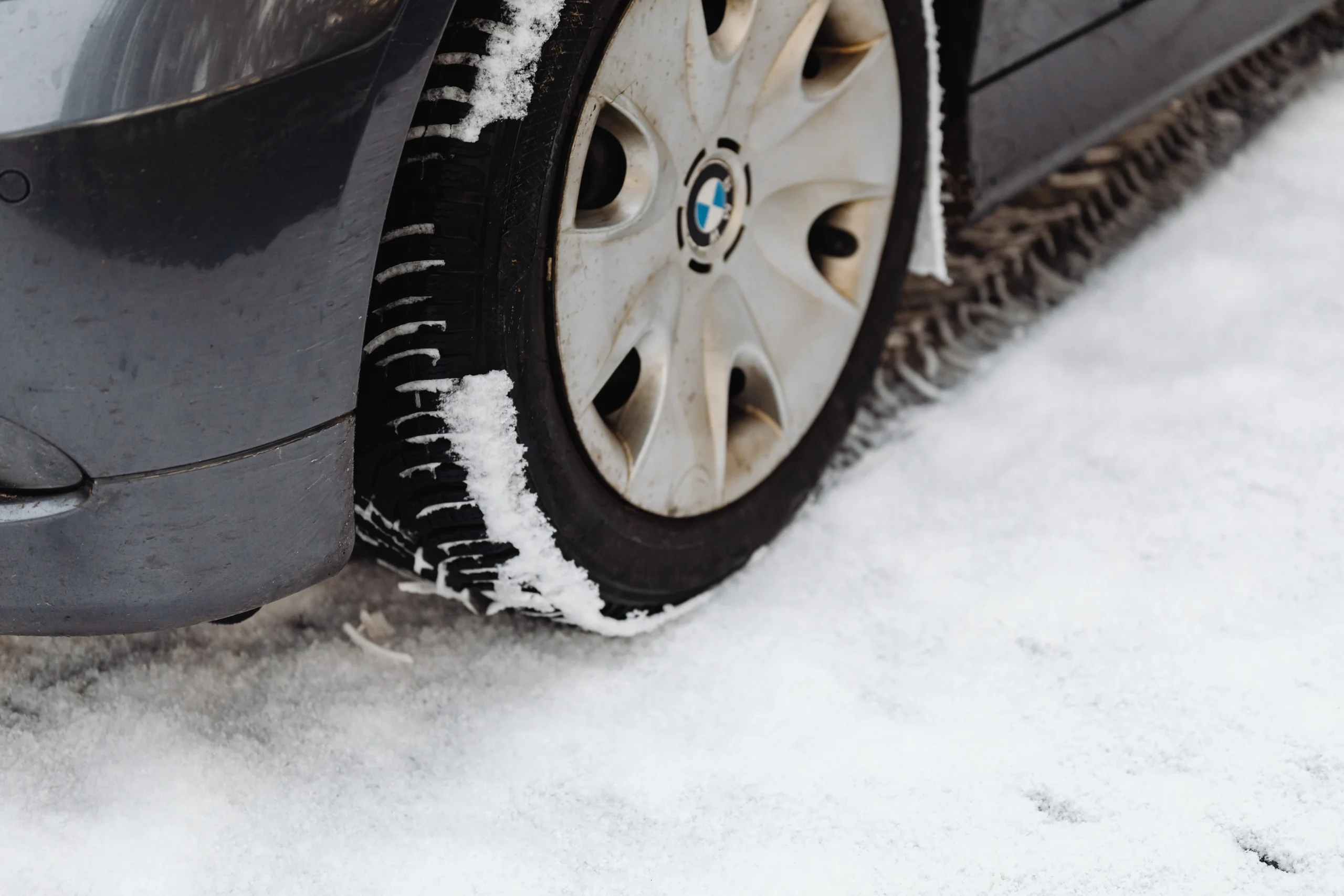

Stepping on the brake pedal should deliver a firm, immediate response. When the pedal feels soft, travels farther than usual, or sinks toward the floor, your braking system needs attention. Reduced hydraulic pressure is a serious liability on slick winter hills. Scheduling a professional brake service Puyallup drivers trust can identify the cause before temperatures drop below freezing.
What Causes a Soft or Spongy Brake Pedal in Winter?
A brake pedal can feel soft or spongy in winter because air or vapor has entered the hydraulic system, brake fluid is low or contaminated, or a component is leaking. Moisture-contaminated brake fluid is a common contributor in the damp Pacific Northwest.
The Brake Fluid Sponge Effect
Hydraulic brakes depend on fluid that transfers pedal pressure to the calipers. As brake fluid absorbs moisture, its performance can change and affect how effectively your brakes work:
1. Moisture Absorption
Standard glycol-based brake fluid is hygroscopic, meaning it absorbs moisture from the air over time. Exposure through the reservoir vent and seals gradually increases the water content in the system. Damp fall weather and road spray make this a practical concern for local drivers.
2. Reduced Boiling Point
As moisture content rises, the fluid’s boiling point falls. During hard or prolonged braking, heat can turn moisture-contaminated fluid into vapor. Vapor, like air, compresses far more easily than liquid brake fluid.
3. Spongy Pedal Action
When vapor or air is present, part of the pedal’s travel compresses that gas instead of applying steady hydraulic pressure to the calipers. The pedal may feel mushy, travel closer to the floor, or produce inconsistent braking. A leak or low fluid level can create the same symptom and requires prompt repair.
Why Cold Weather Worsens Brake Problems
Cold temperatures do not create brake problems, but they can make existing ones more noticeable. Wet roads, icy hills, and longer stopping distances leave less margin for a system that is already compromised.
- Corrosion Risk: Moisture in brake fluid lowers its corrosion protection over time. That can affect metal components and seals throughout the hydraulic system, including calipers and ABS-related parts.
- Reduced Heat Tolerance: Old, moisture-contaminated fluid boils at a lower temperature. Repeated downhill braking or heavy loads can create vapor bubbles and lead to brake fade.
- Cold-Related Drag: Cold weather can expose sticking calipers, worn hardware, or damaged hoses. A dragging brake generates heat and uneven wear, though it is a separate issue from a soft pedal.
When to Schedule a Hydraulic Brake Inspection
Many manufacturers recommend brake-fluid service on a time or mileage interval, so start with your owner’s manual. Physical symptoms matter more than the calendar. If the pedal travels noticeably closer to the floor than it did recently, feels inconsistent, or requires pumping, have the system inspected promptly.
Do not wait for a dashboard warning. A low-fluid warning does not measure moisture contamination, worn pads, or a small leak. Schedule an inspection as soon as you notice a soft pedal, longer stopping distances, or unusual brake behavior on wet roads.
How a Professional Brake Service Fixes a Spongy Pedal
Drivers often confuse worn friction pads with hydraulic problems. A high-pitched squeal can indicate thin pads, but a soft or sinking pedal points to the hydraulic system. Installing new pads without addressing air, leaks, or contaminated fluid will not restore a firm pedal.
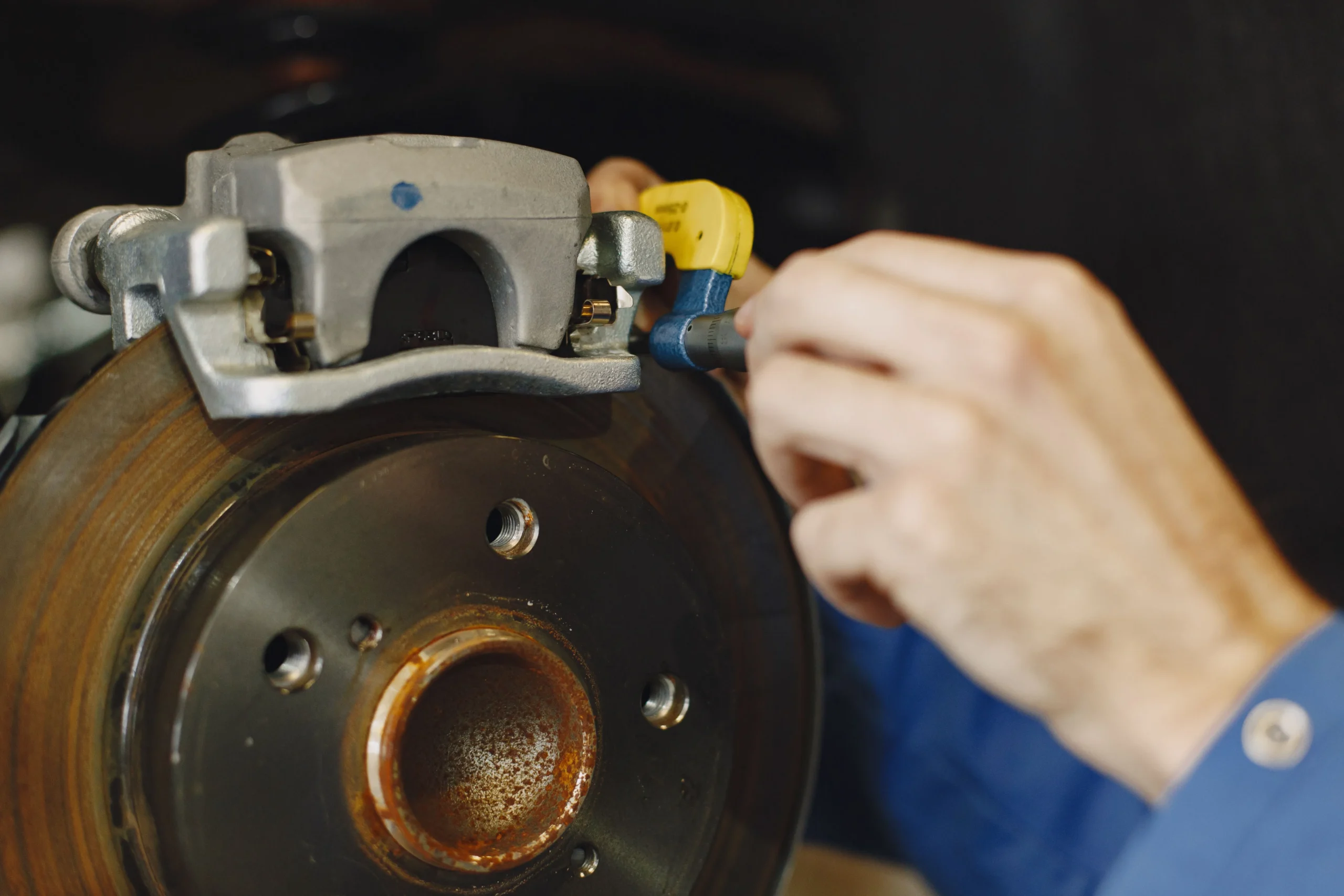
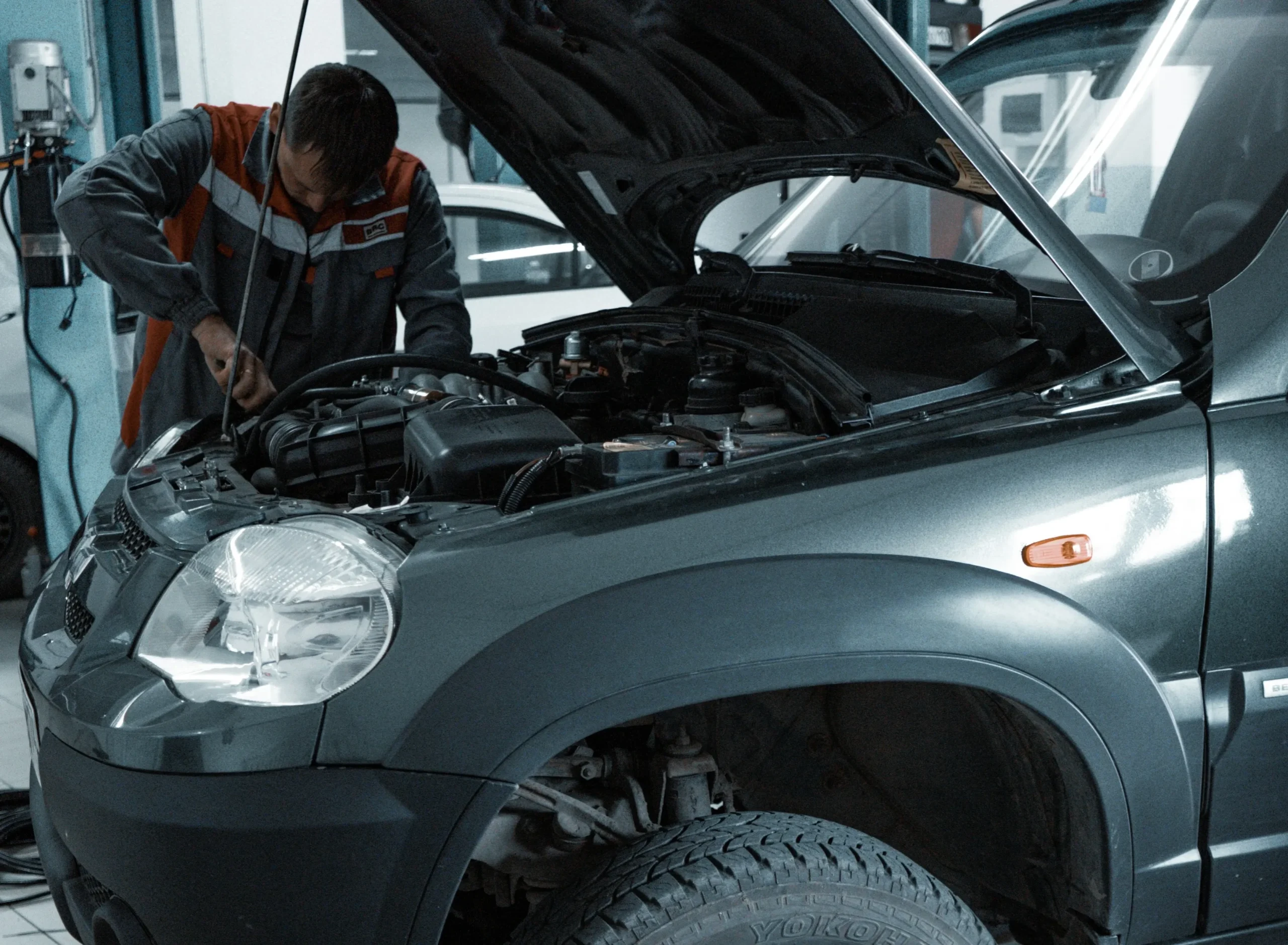
A proper repair starts with diagnosis. A technician checks fluid level and condition, inspects lines, hoses, calipers, and the master cylinder for leaks, and tests for air in the system. If the fluid is degraded, a brake-fluid flush replaces it throughout the hydraulic circuit using the correct fluid and manufacturer-approved procedure.
If moisture-contaminated fluid was the cause, a proper flush can restore firm pedal response and reduce the risk of internal corrosion. If the inspection finds a leak, air in the lines, or a failing component, those issues must be repaired before the brakes are considered safe.
Related Articles:
- How to Fix Spongy Pedals After Mountain Drives in Puyallup
- 5 Clear Signs You Need Professional Puyallup Brake Service
Restore Your Stopping Power for Winter Roads
Ignoring a sinking brake pedal allows internal corrosion to ruin expensive electronic brake modules. A standard fluid flush removes this trapped moisture, restoring the firm hydraulic pressure required for wet winter driving.
Goods Automotive provides complete hydraulic evaluations and fluid exchanges. Technicians inspect rubber lines, test moisture levels, and flush the system until clean fluid reaches every caliper.
Regain reliable stopping control. Contact us today to book the brake service Puyallup drivers trust.