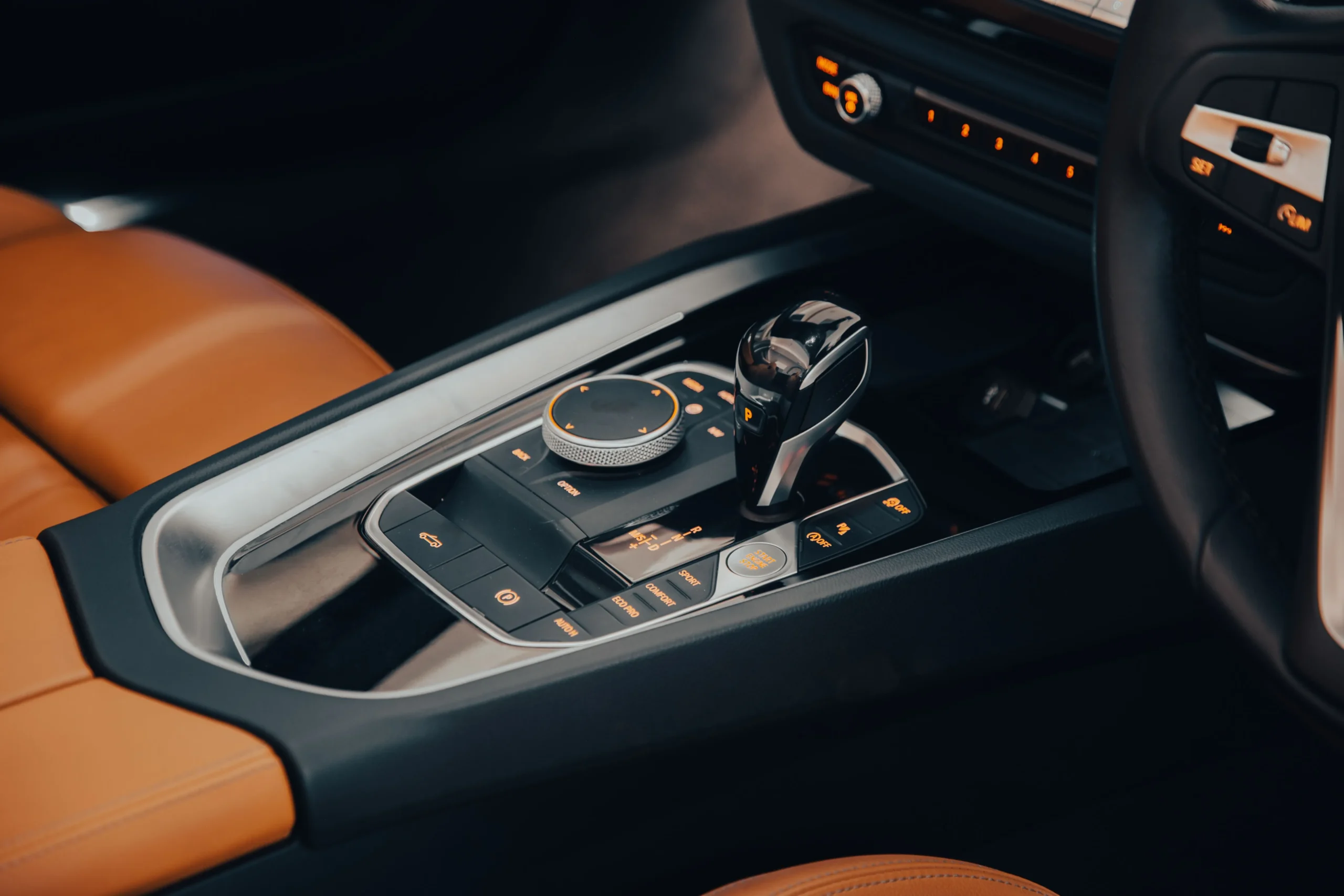

Cold mornings in Puyallup can make driving feel different, especially during the first few minutes on the road. One of the most common complaints drivers notice is trouble shifting when the vehicle is first started. Gears may feel slow to engage, rough, or hesitant until the car warms up.
These cold start problems often point to transmission-related concerns that should not be ignored. Visiting a transmission shop in Puyallup helps identify what is causing the issue and what steps can correct it before it leads to bigger repairs.
What Cold Start Shifting Issues Feel Like
Cold start shifting problems usually appear right after starting the vehicle. Drivers may notice delayed engagement when shifting into drive or reverse. Some vehicles hesitate before moving, while others shift with a noticeable jolt. In automatic transmissions, gears may change later than expected. In manual transmissions, the clutch or shifter may feel temporarily stiff in extreme cold.
These symptoms often improve once the vehicle warms up, which can make them easy to overlook. Even when the issue fades after driving, it often signals an underlying problem that needs attention from a transmission shop in Puyallup.
How Cold Temperatures Affect Transmission Performance
Transmission Fluid Thickens in Cold Weather
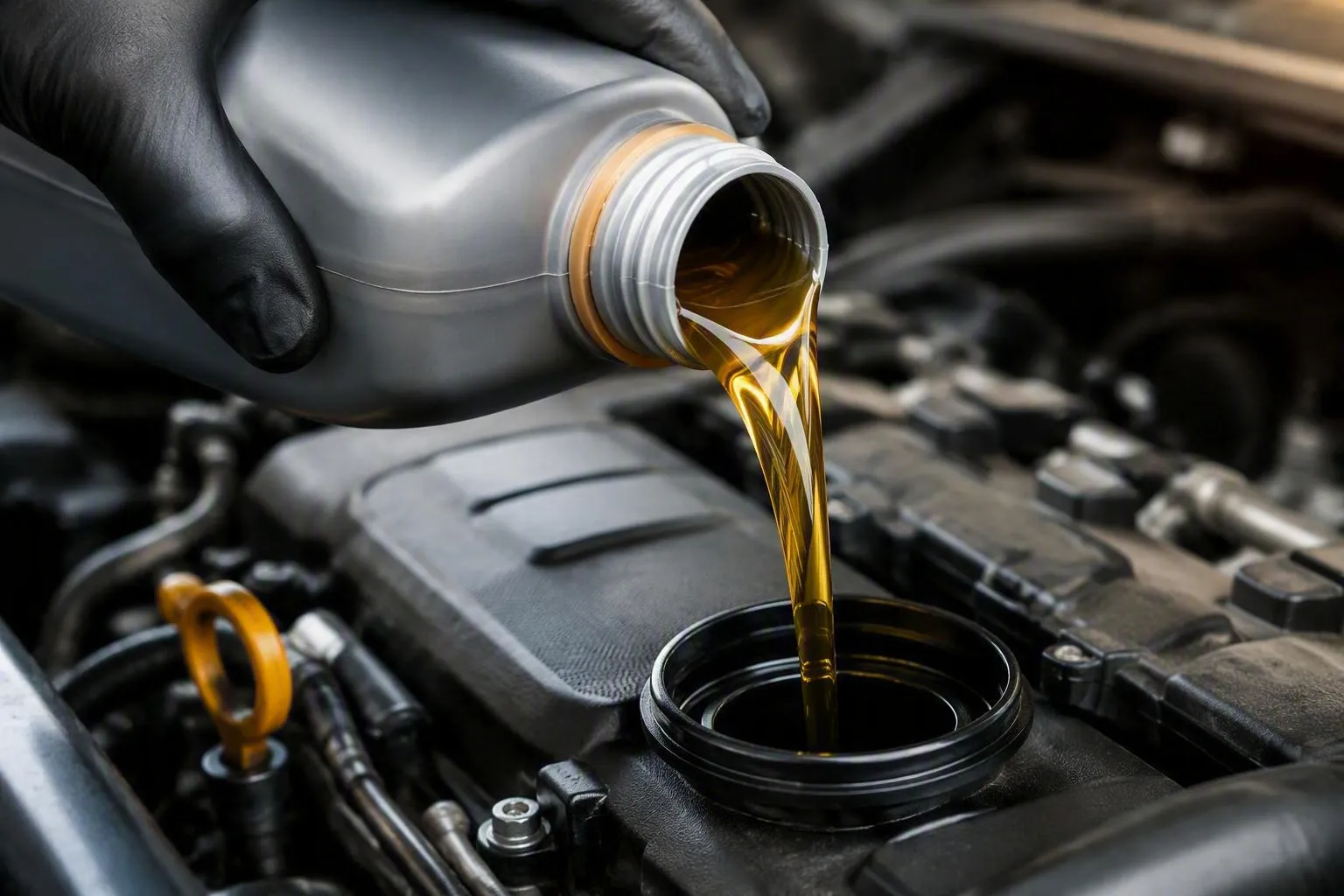
Transmission fluid supports smooth shifting by lubricating parts and managing pressure. Lower temperatures cause the fluid to become more viscous and move more slowly. When fluid is old, dirty, or low, pressure builds more slowly, which can lead to delayed or rough shifts during cold starts.
Seals and Components React to Temperature Changes
Cold weather causes seals, gaskets, and rubber components to contract slightly. If these parts are worn, pressure loss or small leaks become more noticeable until the transmission warms up and materials expand.
Sensors and Valves May Respond More Slowly
Modern transmissions depend on sensors and valves to manage gear changes. Cold conditions can slow their response time. When these components are aging or sticking, cold starts often reveal shifting problems first.
Common Transmission Issues Linked to Cold Start Shifting
Low or Degraded Transmission Fluid
Low fluid levels are one of the most common causes of cold start shifting issues. Small leaks may go unnoticed during warmer months. In cold weather, low fluid causes delayed engagement and harsh shifts. Dirty fluid can also lose its ability to flow properly in low temperatures.
Worn Clutches or Bands
Inside automatic transmissions, clutches and bands help engage gears. As these parts wear, they need proper fluid pressure to function smoothly. Cold starts reduce pressure flow, making wear more noticeable. This often results in slipping or delayed shifts when the vehicle is cold.
Valve Body Problems
The valve body directs transmission fluid to different circuits. If valves stick or wear over time, cold fluid can make the problem worse. This leads to erratic shifting patterns that usually improve after warming up.
Transmission Control Issues
Electrical components, wiring, or control modules can struggle in cold conditions. Faulty signals may cause the transmission to hesitate or shift improperly during startup. A transmission shop in Puyallup can test these systems to pinpoint the issue.
How a Transmission Shop Diagnoses Cold Start Problems
Fluid Inspection and Testing
Technicians begin by checking the fluid level, color, and condition. Burnt or dark fluid suggests wear. Low fluid points to leaks that must be addressed. Proper fluid condition is critical for cold-weather performance.
Computer Diagnostics
Modern vehicles store fault codes related to shifting and pressure control. Scanning the system helps identify sensor or control issues that may only appear during cold starts.
Pressure and Performance Testing
Transmission pressure tests show how well fluid moves through the system when cold. This helps identify worn pumps, valve body issues, or internal leaks.
Visual Inspections
Seals, lines, mounts, and external components are inspected for wear or leaks. Cold weather often reveals weaknesses that stay hidden in warmer conditions.
Common Fixes for Cold Start Shifting Issues
Transmission Fluid Service
Replacing old fluid with the correct type restores proper flow and pressure. This is often one of the most effective fixes for cold start shifting complaints.
Leak Repairs
Sealing leaks prevents low fluid levels and protects internal components. Addressing leaks early reduces long-term damage.
Valve Body or Solenoid Repairs
Sticking valves or faulty solenoids can be repaired or replaced to restore smooth shifting during cold starts.
Software Updates or Electrical Repairs
Some vehicles benefit from updated software or electrical repairs that improve cold-weather response and shift timing.
When to Visit a Transmission Shop in Puyallup
If cold start shifting issues occur more than once, a professional evaluation is recommended. Warning signs include repeated hesitation, hard shifts, slipping, or dashboard warning lights. A trusted transmission shop in Puyallup provides clear answers about what is happening and what repairs make sense.
Cold mornings should not make driving unpredictable. Addressing transmission concerns early supports safer and smoother operation all winter long.
Related Articles:
- Winter Transmission Issues: When to Visit a Puyallup Auto Shop
- How Winter Affects Land Rover Transmission Fluid in Puyallup
Get Ahead of Cold Start Problems
Goods Automotive provides transmission inspections, fluid services, diagnostics, and repairs designed to address cold-weather shifting concerns. If your vehicle struggles during cold starts, scheduling a professional evaluation helps restore smooth performance and protects your transmission for the miles ahead.
Contact us today to book a service at a trusted transmission shop in Puyallup.