
A failing suspension system compromises vehicle stability and can lead to uneven tire wear, especially after a summer of heavy driving. So, how do I know if my car’s suspension is going bad? The signs often start with subtle handling changes over bumps and around tight corners. Running a quick driveway bounce test reveals whether worn shocks likely need professional attention from car suspension repair shops.
The 3-Step Driveway Bounce Test for Suspension Health
Understanding how shocks respond to weight helps drivers identify early warning signs before calling a professional. This test serves as a quick observational check to confirm suspected suspension wear. Performing this simple check on level ground helps you describe specific symptoms when booking an inspection.
Step 1: Front and Rear Compression
Park the vehicle on level pavement and firmly engage the parking brake. Walk to the front bumper and place both hands over a solid frame area above one wheel. Push down with firm pressure to compress the spring, then release your hands. Repeat this push on all four corners of the vehicle.
Step 2: Rebound Oscillation Counting
Watch the vehicle body closely as you let go. A healthy shock absorber absorbs spring energy quickly, allowing the body to rise and settle into place almost immediately. If the corner bounces up, drops down, and rises again, the damper is worn. Rebound oscillation that shows more than one or two bounces indicates a worn damper that needs inspection at local car suspension repair shops.
Step 3: Visual Fluid Leak Inspection
Turn the front steering wheel all the way to one side to expose the suspension assembly inside the wheel well. Look past the tire at the cylindrical body of the shock or strut casing. A light coating of dry road dust is normal, but a wet, oily residue on the shaft signals a leaking internal seal. Struts that leak hydraulic fluid have reduced damping and should be evaluated for replacement.
Spotting any of these three warning signs means scheduling a professional evaluation is the safest next move.
How Failing Shocks and Struts Feel on Lakewood Roads
Driveway tests catch static failure, but real road conditions highlight dynamic suspension wear. Years of commuting along I-5 or navigating bumpy pavement near Gravelly Lake Drive wear down internal valves inside shocks. Drivers notice the nose of the vehicle dipping forward heavily whenever they step on the brake pedal.
Excessive body roll around tight curves or on ramps is another clear signal of worn stabilizer links and soft springs. The car feels loose, floating over swells in the road rather than remaining planted. Steering wheel vibrations and drifting across lane lines often stem from worn control arm bushings, failing ball joints, or alignment issues. Knowing when to visit car suspension repair shops prevents these handling flaws from compromising daily safety.
Why Delayed Suspension Maintenance Costs More Later
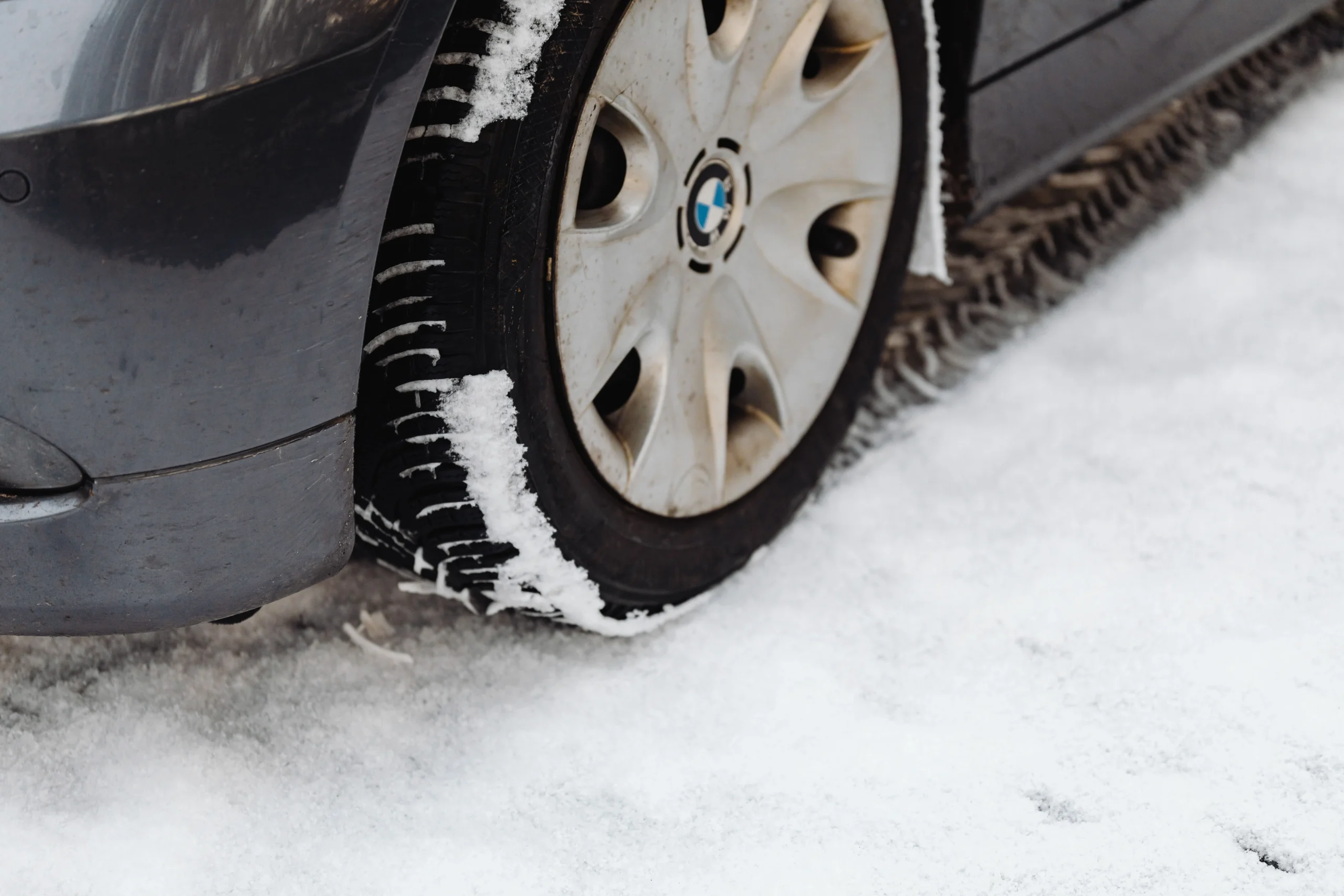
Suspension parts work together as a connected system under the chassis. When shocks lose their ability to control spring movement, the tires bounce repeatedly against the asphalt at speed. This uncontrolled bouncing creates scalloped or cupped wear patterns across the rubber tread, ruining expensive tires long before their normal lifespan ends.
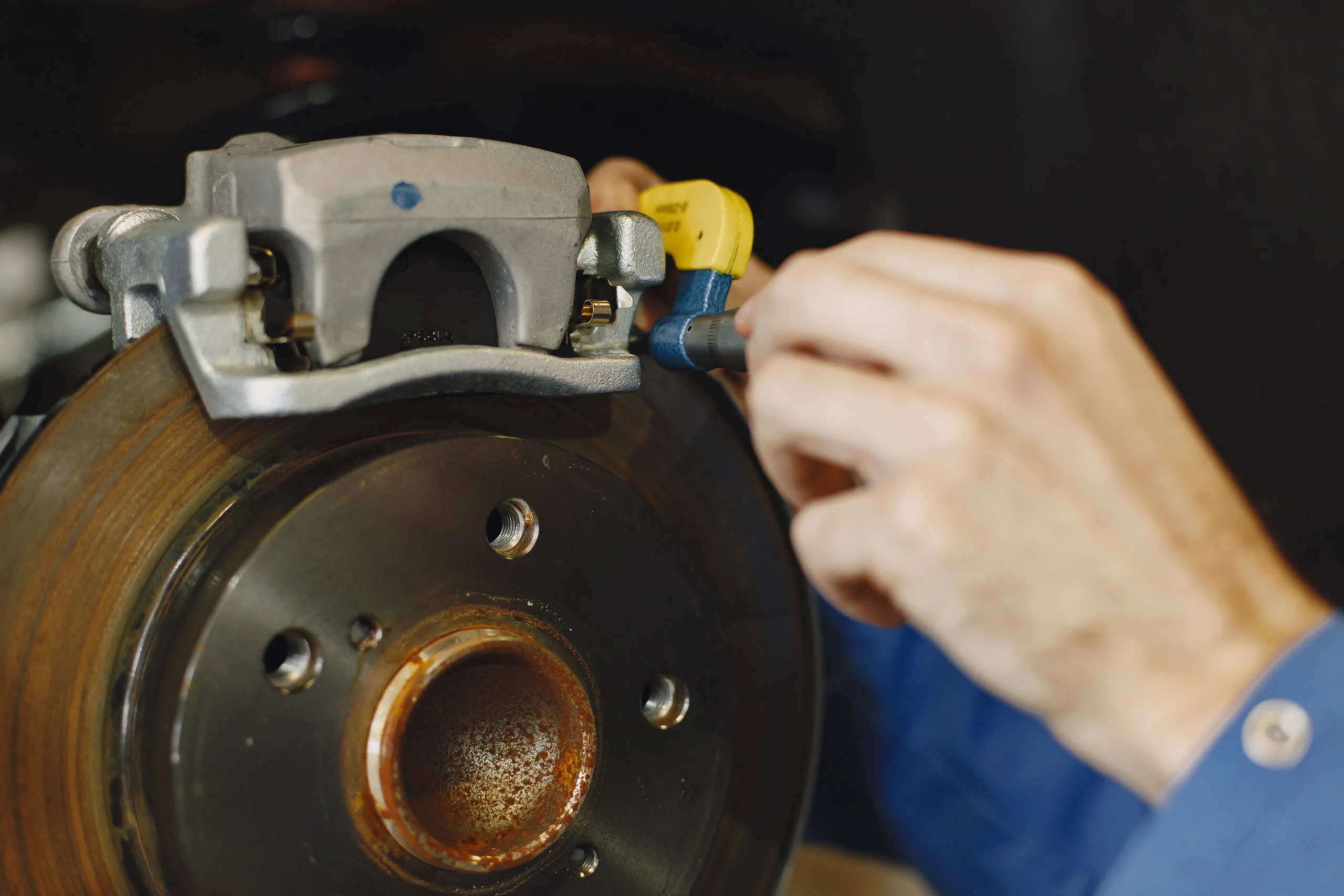
Ignoring worn struts places extra stress on steering tie rods, ball joints, and wheel bearings. Impact energy from severe potholes is less effectively managed, sending more force into metal mountings and other components. Delaying basic suspension fixes can turn a straightforward shock replacement into a more extensive front-end repair. Searching for reliable car suspension repair shops at the first sign of abnormal tire wear protects the rest of the steering assembly.
Related Articles:
- Experiencing a Bumpy Ride? How Suspension Shops Can Help You
- Why You Should Never Delay Car Suspension Repairs in Tacoma
Restore Your Ride Quality Before Season Changes
Rough roads and heavy vehicle loads break down chassis components over time. Continuing to drive on worn dampeners increases stopping distance and causes unpredictable handling in wet weather. Taking action when you spot fluid leaks or excessive bouncing keeps repair costs manageable and protects your vehicle investment.
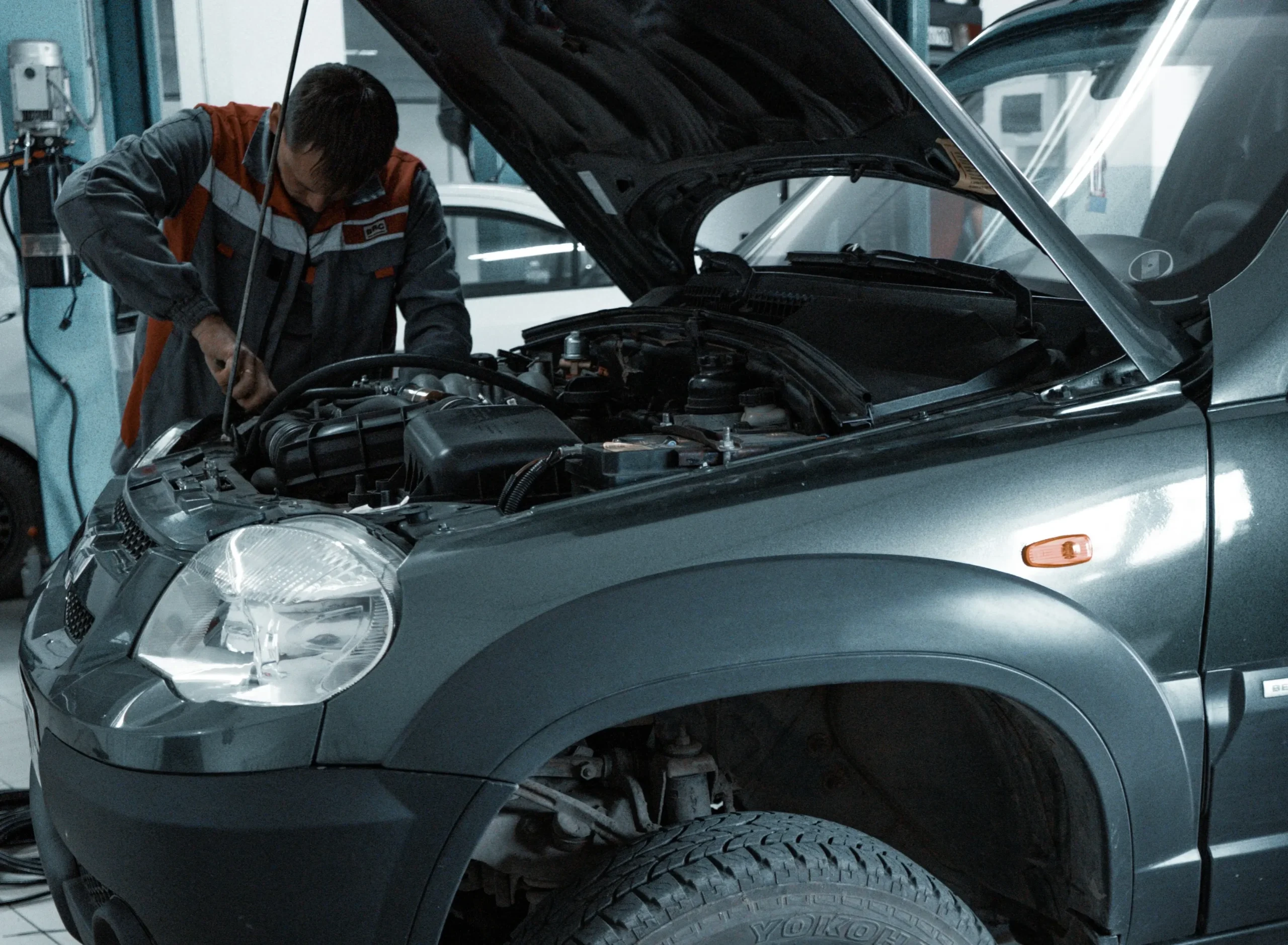
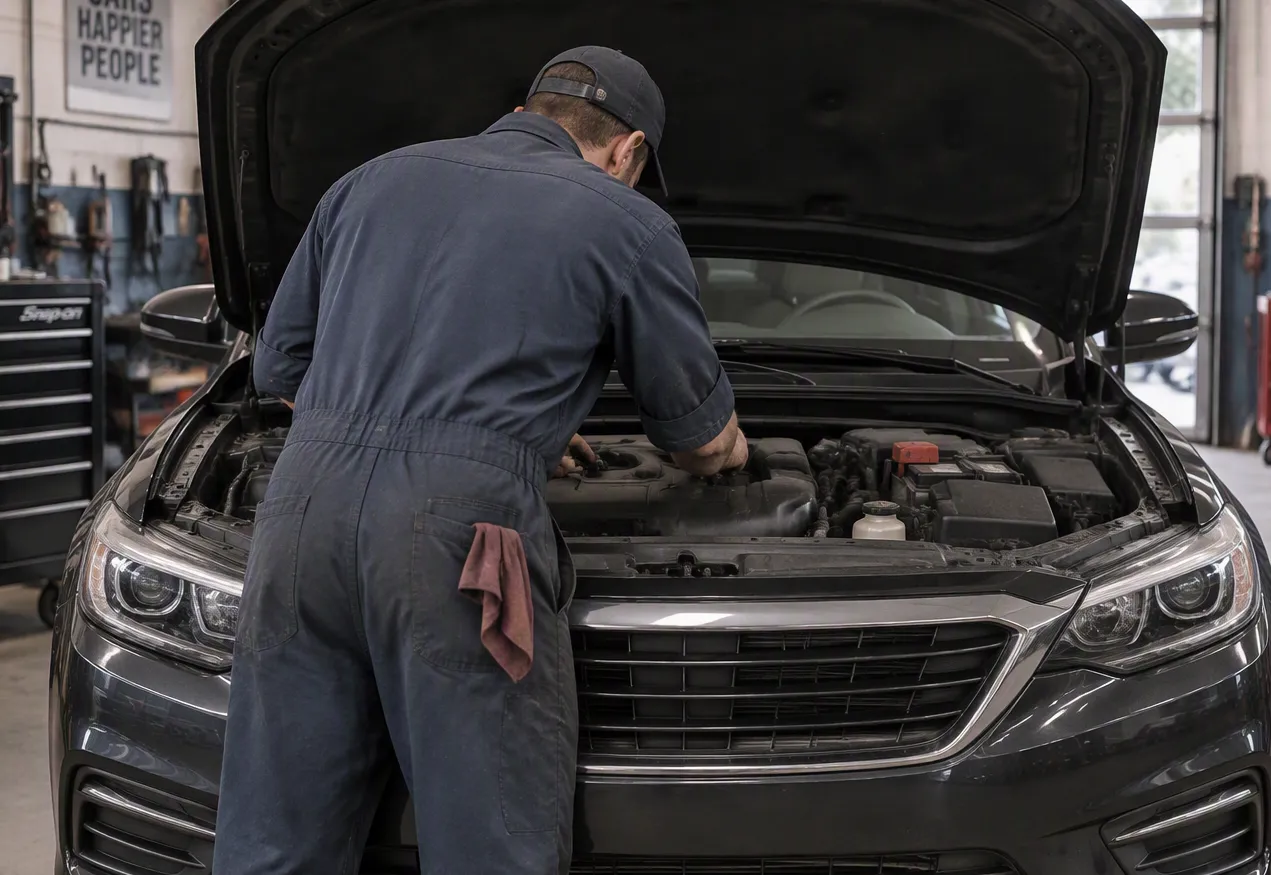
Goods Automotive provides diagnostic inspections and chassis maintenance to keep your vehicle riding smoothly. Experienced technicians inspect bushings, ball joints, and struts to pinpoint hydraulic wear.
Schedule an appointment with trusted car suspension repair shops like Goods Automotive to fix handling issues before autumn rain arrives.