
Crisp September mornings across the South Sound quickly expose hidden automotive cooling system problems. When cabin vents blow ice-cold air on your commute along I-5 or Gravelly Lake Drive, the cause often traces back to the cooling system, not the dashboard controls. Low coolant levels from small radiator leaks commonly starve the heater core first, killing cabin heat before the temperature gauge ever spikes. Seeking professional radiator repair services quickly restores warm cabin air while protecting your engine from severe thermal damage.
Why Is My Car Heater Blowing Cold Air on Cold Mornings?
When a car heater blows cold air on freezing mornings, the primary culprit is usually a compromised cooling system. A car’s heating system does not use a heating element; it passes cabin air over the heater core, a small internal radiator supplied by hot engine coolant. When a radiator leaks or corrodes, system pressure drops and coolant levels fall, allowing air into the lines and cutting off hot flow to the heater core, often before the engine temperature gauge registers an overheat condition.
The Radiator-to-Heater Core Diagnostic Rule
| Radiator Failure Point | Impact on Cabin Heating | Required Radiator Service |
| External Radiator Leak (Seam crack or hose breach) | Coolant level drops and air enters the system; blower pushes cold air despite a warm engine. | System pressure test & radiator unit replacement |
| Internal Core Clog (Rust & mineral sludge accumulation) | Restricts coolant flow; cabin air feels lukewarm at highway speeds, cold at idle. | Radiator power flush or core replacement |
| Failed Radiator Pressure Cap | Prevents proper pressurization, creating air pockets in the heater core lines. | Radiator cap replacement & cooling system bleed |
Other Potential Causes of Cabin Heat Loss
While low coolant from radiator leaks is a leading cause of a cold cabin, other mechanical issues can block heat from reaching your vents. Experienced technicians evaluate these additional failure points during a systematic inspection.
- Thermostat Stuck Open: Allows coolant to circulate through the radiator too early, slowing engine warm-up and leaving cabin heat weak or lukewarm.
- HVAC Blend Door Actuator: Fails when heater core lines under the hood are hot, but an internal dashboard flap motor cannot direct warm air to the vents.
- Blower Motor Failure: Shows up as little to no airflow through vents despite a warm engine, pointing to a failed fan, resistor, or blown fuse.
- Air Locks in Heater Lines: Trapped air pockets act like a physical plug, blocking fluid circulation until technicians bleed the cooling system.
A professional cooling system pressure test quickly confirms whether you are dealing with radiator fluid loss or an isolated electrical issue under the dashboard.
Why Driving Without Heat Risks Engine Overheating
Ignoring cold cabin air during early fall driving can lead to major engine damage. Drivers frequently assume a cold heater simply means a bad dashboard fan, unaware that engine coolant is dangerously low. Without sufficient fluid to absorb and transfer engine heat, internal metal components can overheat and distort. Sustained low coolant levels and overheating can lead to blown head gaskets, warped cylinder heads, and cracked engine blocks.
A functioning cooling system requires full fluid volume to protect internal engine bearings. Booking timely radiator repair services prevents small fluid leaks from turning into costly engine overhauls.
How Technicians Diagnose Cooling System Failures in Lakewood
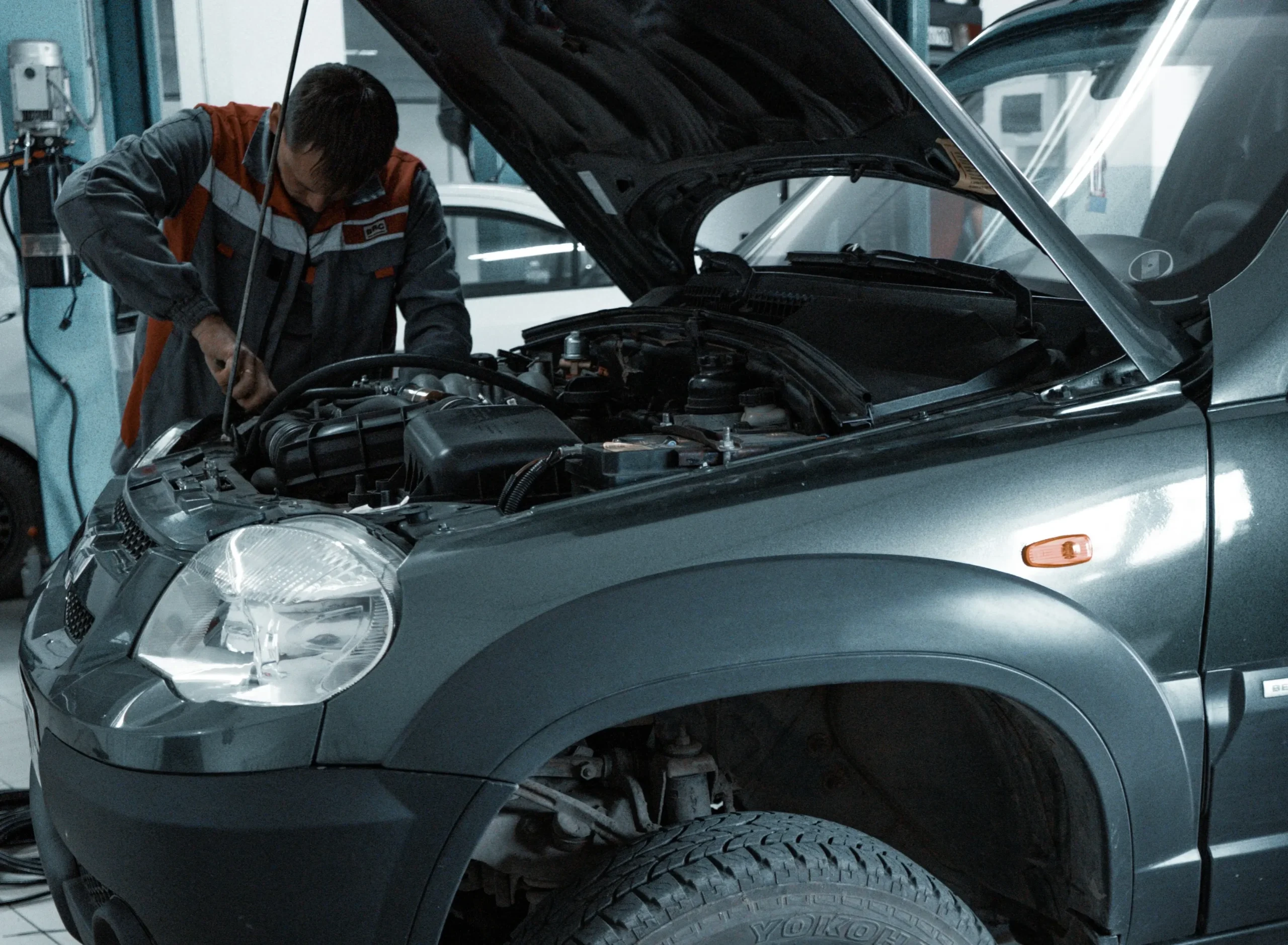
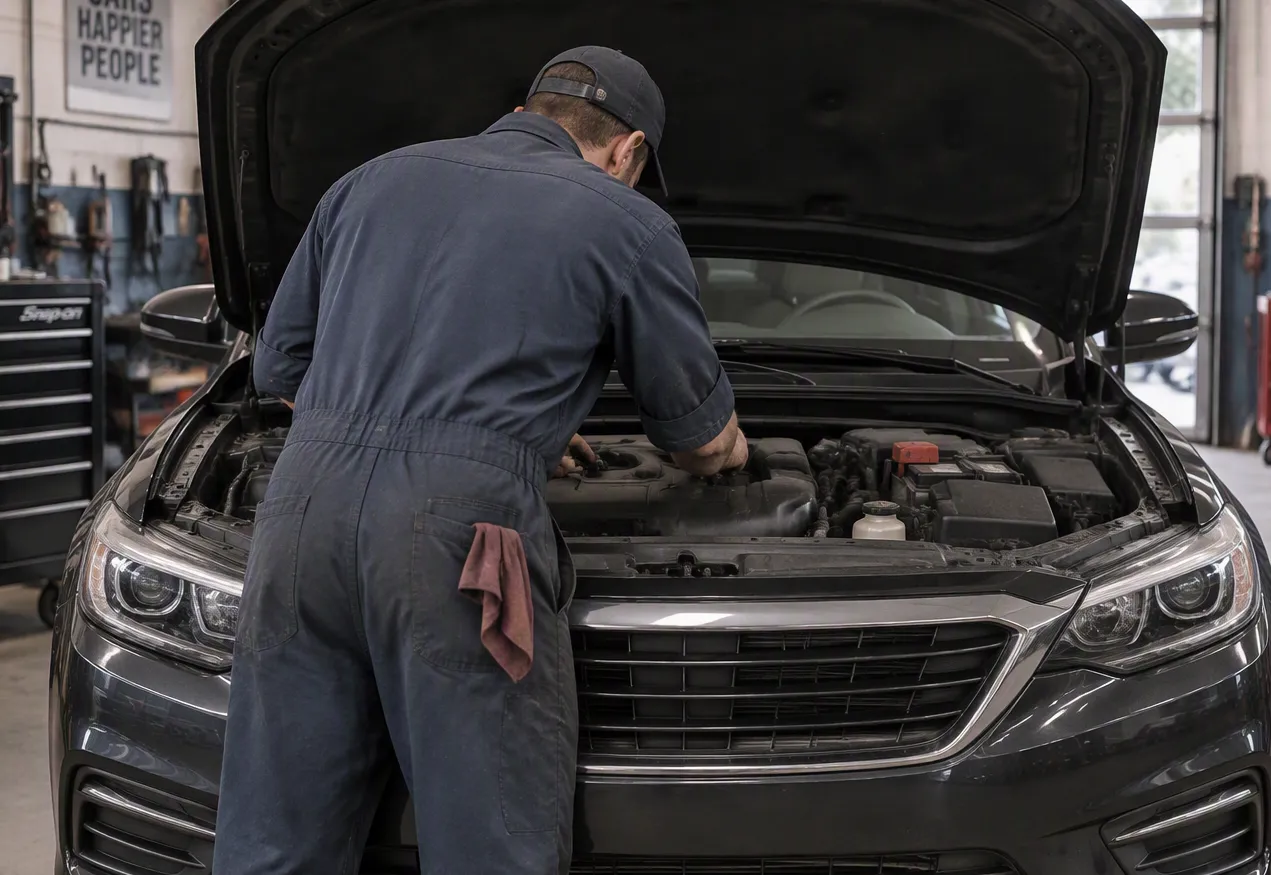
Diagnosing a cold heater requires a systematic inspection of fluid pressure and component integrity. Technicians attach a pressure tester to the radiator cap neck to pump artificial air pressure into the system. This test forces hidden fluid leaks to reveal themselves around seam welds, hose fittings, and water pump gaskets.
Inspectors also use chemical testing to check for combustion gases inside the radiator reservoir. Temperature checks across upper and lower radiator hoses help trace coolant flow and identify restricted passages or thermostat issues. Scheduling professional radiator repair services to fix these issues early ensures consistent cabin warmth throughout the autumn and winter months.
Related Articles:
- Why Is Your Car Heater Blowing Cold? Cooling System Diagnosis
- Should You Repair or Replace Your Radiator? How to Decide
Get Professional Radiator Repair Services in Lakewood Today
Navigating chilly Lakewood autumns without reliable cabin heat creates uncomfortable and unsafe road conditions. Goods Automotive offers cooling system inspections, leak pressure testing, radiator replacements, and heater core flushing. Fixing fluid leaks early protects vital engine parts and keeps your windshield clear during foggy morning commutes.
Dependable radiator repair services keep your vehicle warm and dependable on slick Northwest roads. Contact Goods Automotive today to schedule your cooling system inspection.