
Sitting in bumper-to-bumper traffic on I-5 near Joint Base Lewis-McChord can be frustrating, but it may also take a quiet toll on your vehicle. A crawling daily commute often causes gradual wear and tear that can easily go unnoticed until a costly repair is needed.
Understanding how heavy traffic affects your car is a great way to protect your wallet, and building a relationship with local auto repair shops can help you catch these issues early before they become expensive breakdowns.
The Hidden Damage of Stop-and-Go Driving
During a bottleneck along the JBLM corridor, your engine is under heavier duty while moving slowly. The cooling system relies more on the radiator fan and proper fluid levels at low speed because highway airflow is reduced, so traffic jams offer much less cooling than open roads.
As a result, your engine coolant, transmission fluid, and oil may run hotter than intended. Over months of commuting, this extra heat can break down fluids, stress hoses, and accelerate internal wear. A car stuck in daily stop-and-go traffic often ages faster than one cruising at 60 mph.
Local auto repair shops along I-5 often see vehicles with early coolant issues or degraded oil from this exact routine. The fix isn’t complicated. You may just need to schedule maintenance a bit sooner than the standard timeline in your owner’s manual.
The Lakewood Commuter Wear Formula
This simple equation explains how summer traffic impacts your vehicle: heat plus friction plus time equals accelerated wear. Car parts have an expected lifespan based on a mix of driving conditions, but a daily stop-and-go commute through the Lakewood stretch often leans toward the extreme.
Because of this, manufacturers usually classify heavy traffic and high temperatures as “severe duty” driving conditions. To protect your vehicle, you may need to schedule maintenance a bit sooner than the standard manual suggests. This can mean planning oil changes closer to every 3,000 to 5,000 miles, checking the transmission fluid around 30,000 miles, and inspecting the coolant at least twice a year.
1. Brake Friction
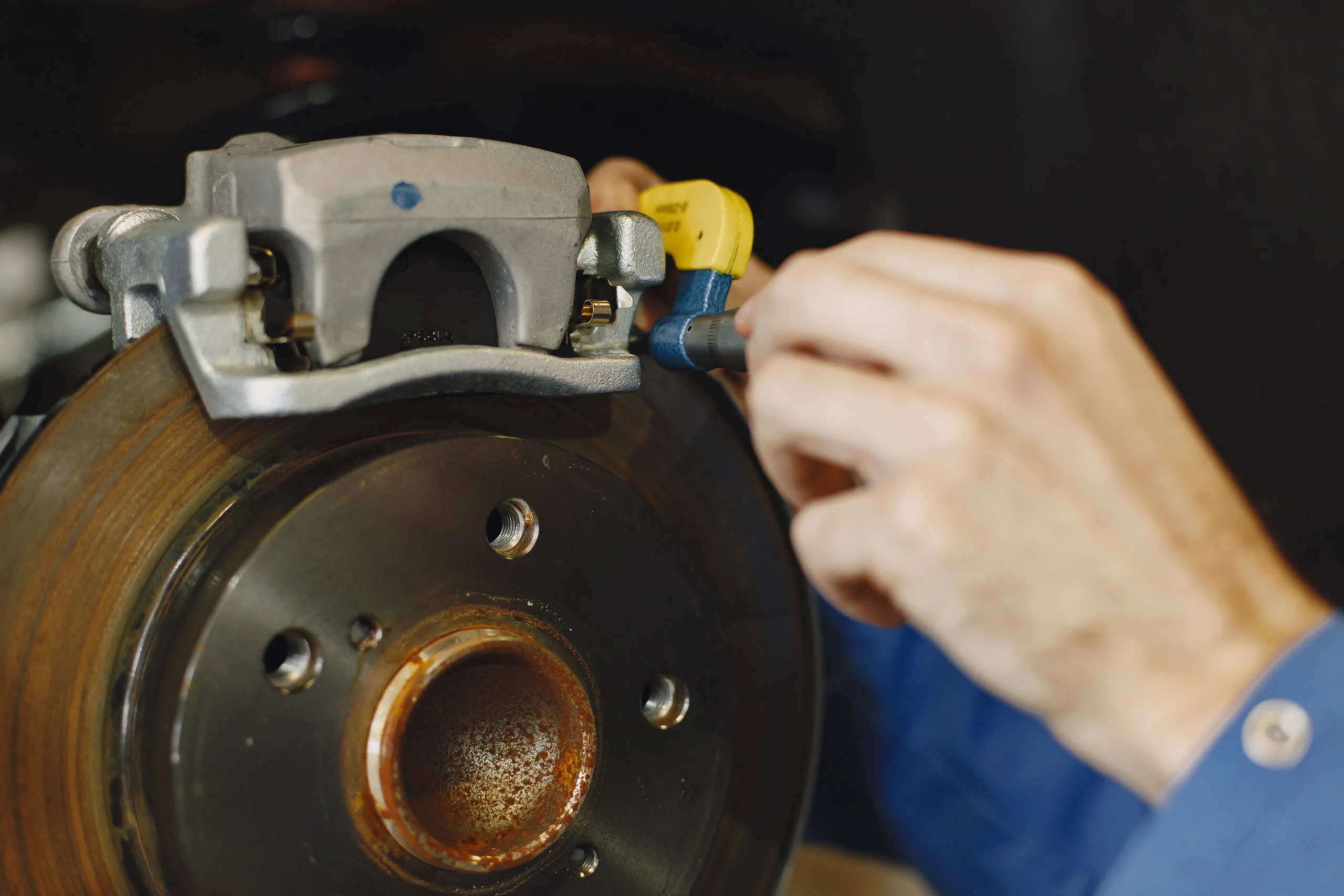
Constant stopping in heavy traffic wears down brake pads much faster than steady highway cruising. In a typical JBLM bottleneck, you might tap your brakes hundreds of times over a short distance. Each stop generates heat, which can gradually wear down and warp your metal brake rotors.
As the pads thin out, the rotors may develop uneven surfaces, often causing a pulsing sensation in the pedal or a faint squeal. Catching these warning signs early with a routine brake inspection is a smart habit that can often save you from needing a complete rotor replacement.
2. Engine Heat
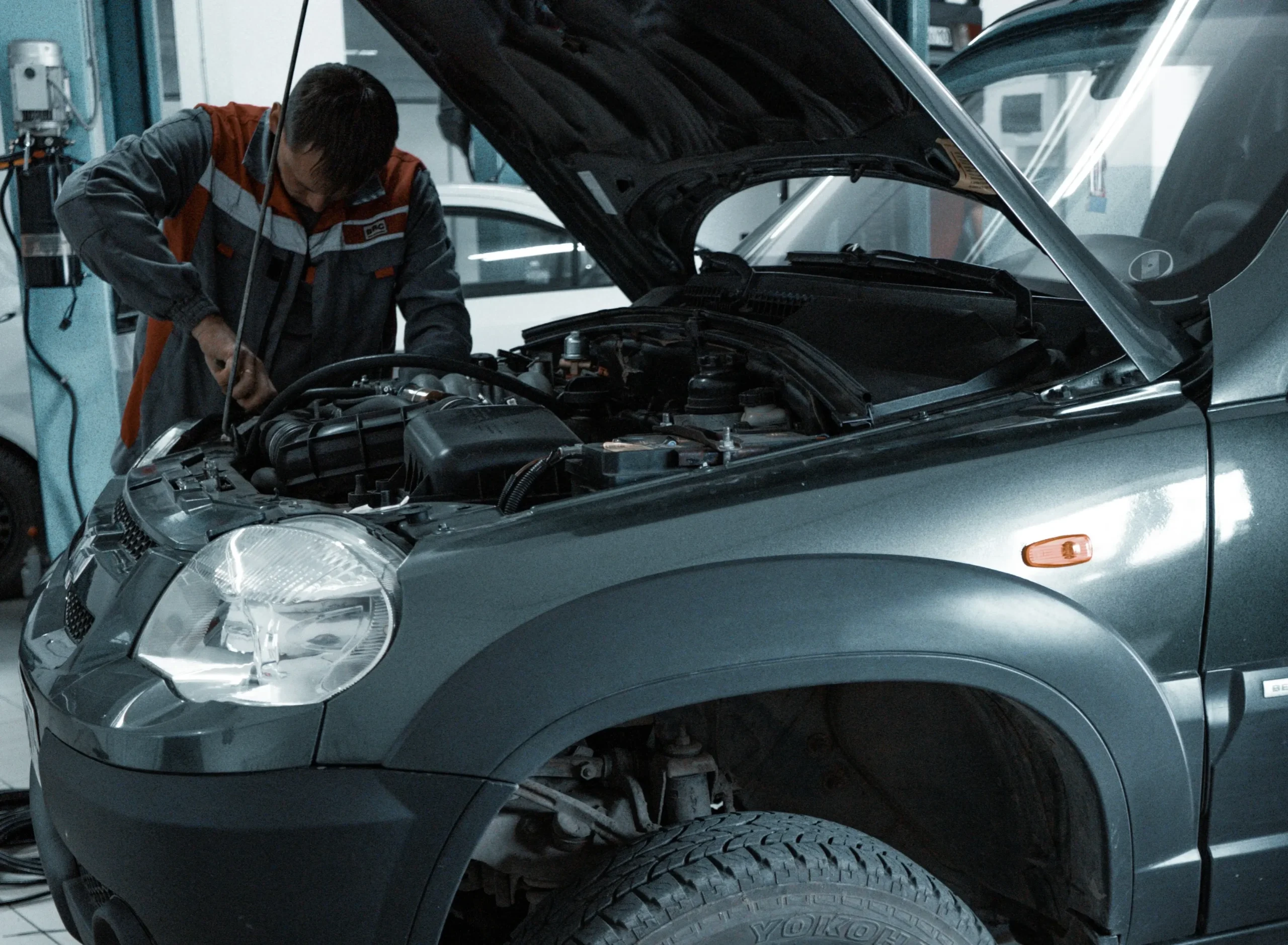
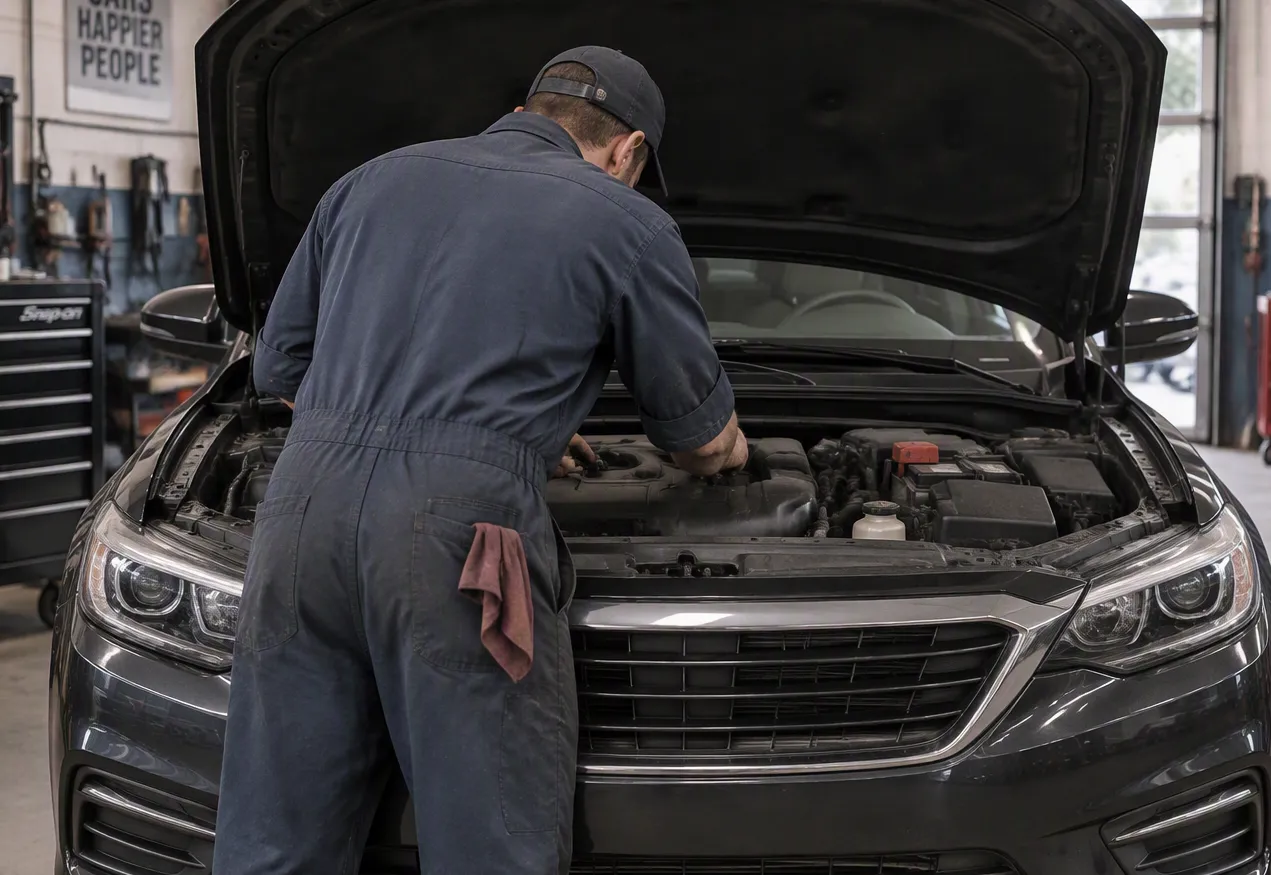
Without the steady airflow of open highway speeds, your engine can run hotter than usual. The radiator fan kicks in to help, but it often struggles to keep up when the car is barely moving on a warm day. Over time, this extra heat may degrade rubber hoses, weaken gaskets, and thin out your engine oil prematurely.
A cooling system running on low or degraded fluid may fail to regulate this temperature, potentially leading to overheating and major internal engine damage. Keeping your cooling system healthy with regular inspections and fluid flushes is one of the most effective ways to protect a daily commuter vehicle.
Signs Your Commuter Car Needs Care
Heavy traffic can take a steady toll on your vehicle. Spotting early warning signs may help you avoid a stressful breakdown on your commute.
Squeaking or Pulsing Brakes
A high-pitched squeal or a vibrating pedal often means your brake pads are wearing thin. It can also signal that the heat from stop-and-go driving is starting to warp your rotors.
A Hot-Running Engine
Monitor your temperature gauge. If it climbs higher than usual during traffic or you detect a sweet scent from the engine, your cooling system is likely struggling. These symptoms typically indicate degraded coolant or a failing hose.
Catching these signs early helps keep maintenance costs down. A quick visit to local auto repair shops can often stop a minor issue from becoming a major expense.
Further Reading:
- How Often to Visit a Puyallup Auto Repair Shop for Service
- Tips for Choosing a Trustworthy Auto Repair Shop in Puyallup
Protect Your Car from the Commuter Grind
If your daily drive involves heavy I-5 traffic, your vehicle needs a team that understands stop-and-go wear. Proactive care can help you avoid unexpected roadside breakdowns.
Goods Automotive provides the essential services commuter vehicles need most, from brake inspections and cooling system tests to fluid changes. Our certified team gives clear, straightforward advice on what your car actually requires before turning a wrench.
Don’t wait for a dashboard warning light. Schedule an inspection with one of your trusted local auto repair shops to keep your daily commute smooth and safe.